How can landlords keep a clear repair history across multiple rental properties?
A per-unit record keeps details straight when you manage more than one address.
Tie every repair record to a specific unit rather than mixing addresses in one pile. Capture the cost, vendor, date, and any warranty for each job, and use per-unit views to spot recurring issues. Keeping records exportable makes tax season and a future sale far easier to document.

The problem with mixed records
When you own several units, it is easy to blur which one had the roof patch and which one needed a new water heater. Mixed records lead to repeated diagnoses and missed warranty windows. Related: How can a small landlord track appliance warranties so a covered repair never gets paid twice?
A jumble of receipts and texts also makes tax time harder. Sorting repair expenses by property after the fact is slow and error prone. Related: Why does preventive maintenance cost landlords less than reactive repairs over time?
Keep reading: How do small landlords track tenant maintenance requests without losing paperwork?, What information should a tenant include when submitting a maintenance request online?, Why do maintenance photos matter when landlords assign repairs to outside vendors?. See how RentFixr helps you rental maintenance request tracking for landlords.
Organize by unit
The cleanest approach is a record tied to each unit. Every request, photo, and resolution belongs to a specific address, so you can pull up one unit and see its full story. Related: How much should a small landlord set aside each year for rental maintenance costs?
This structure scales. Whether you own two units or twenty, the same per-unit view keeps details from crossing wires. Related: Why does the same repair keep coming back to one unit even after a vendor visit?
Capture the full lifecycle
A useful history covers more than the fix. Note when the request came in, who handled it, what it cost, and any parts or warranties involved.
That fuller picture pays off later. A recurring issue becomes obvious, and a warranty claim is easy to support when the original work is on file.
Make it easy to review
A history only helps if you can find things in it. Being able to filter by unit or date turns a pile of records into a tool you actually use.
Exportable records add another layer of value. You can share a unit history with a buyer, an insurer, or your accountant without rebuilding it from memory.
- Tie every record to a specific unit
- Capture cost, vendor, and warranty details
- Use per-unit views to spot recurring issues
- Keep records exportable for taxes and sales

Julien Jimenez
Julien Jimenez is an independent software builder based in Paris. He designs, ships, and operates focused SaaS products for small businesses and independent professionals. Read the full author page.
Frequently asked questions
What details belong in a repair record?
Log the date, the unit, a description, the vendor, the cost, and any warranty on parts or labor. That combination lets you review, budget, and prove the work later.
How does per-unit history reveal bigger problems?
When one unit shows repeated repairs to the same system, the record exposes a pattern worth a permanent fix rather than another patch, saving money over the long run.
Track every repair in one place
Rental maintenance request tracking for landlords. RentFixr is built to help you put this into practice.
Start freeMore from the RentFixr blog

How do small landlords track tenant maintenance requests without losing paperwork?
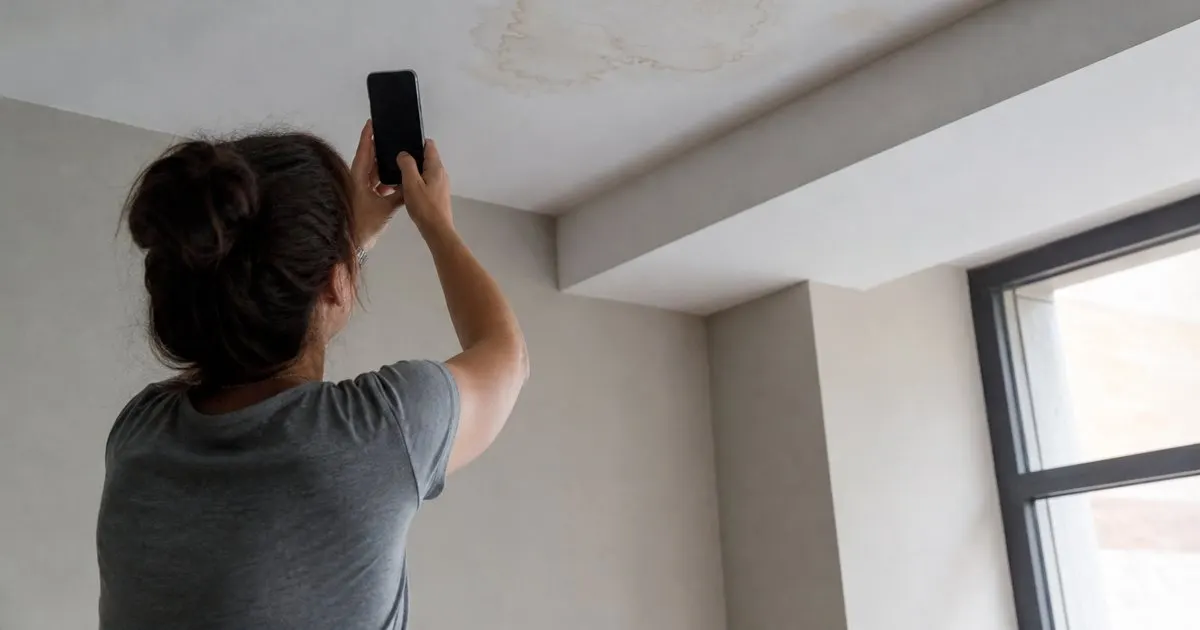
What information should a tenant include when submitting a maintenance request online?
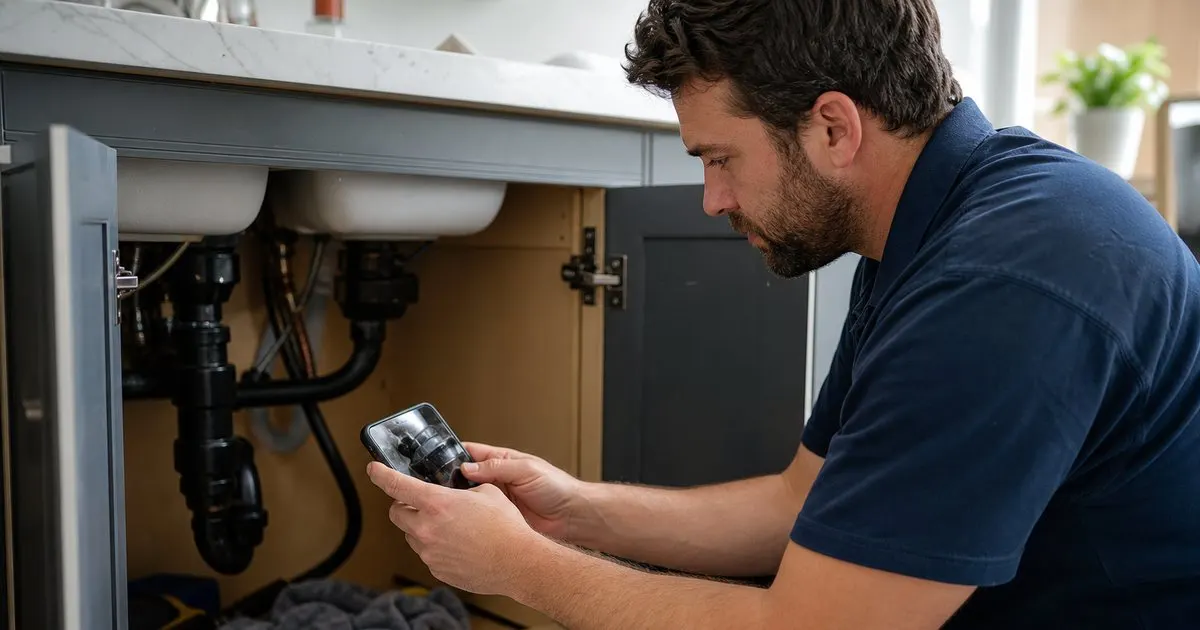
Why do maintenance photos matter when landlords assign repairs to outside vendors?
Get the RentFixr playbook
Practical guides on rental maintenance tracking, straight to your inbox as we publish them. No spam, unsubscribe any time.