How do small landlords track tenant maintenance requests without losing paperwork?
A simple system beats memory when repair requests arrive by text, call, and email.
Funnel every request through one intake link so texts, calls, and emails all land in a single queue. Ask for a photo and let each entry carry a timestamp, then keep the history organized by unit. That single record outlasts individual tenants and stops repairs from slipping through scattered channels.

Why scattered channels fail
Most small landlords collect repair requests wherever tenants happen to reach them, which means a leaky faucet lands in a text while a broken heater lands in a voicemail. Details end up spread across apps you rarely open together. Related: Why do maintenance photos matter when landlords assign repairs to outside vendors?
The result is a system that depends on your memory, and memory is unreliable when you are juggling work, family, and several units. A single missed request can turn into a bigger repair and an unhappy tenant. Related: What information should a tenant include when submitting a maintenance request online?
Keep reading: What information should a tenant include when submitting a maintenance request online?, Why do maintenance photos matter when landlords assign repairs to outside vendors?, When should a landlord respond to an urgent maintenance request from a tenant?. See how RentFixr helps you rental maintenance request tracking for landlords.
One intake, one queue
The fix is to funnel every request into one place. When tenants report issues through a single link, you get a consistent queue instead of a scavenger hunt across your phone.
A shared intake also sets expectations. Tenants know where to report problems, and you know where to look, which removes the friction that leads to forgotten repairs.
Add photos and timestamps
A request with a photo tells you far more than a vague message. You can size up the problem, decide who to send, and avoid an unnecessary trip to diagnose something a picture already shows.
Timestamps matter too. Knowing when a request came in protects you if a tenant later claims you ignored an issue, and it helps you prioritize the oldest open items. Related: When should a landlord respond to an urgent maintenance request from a tenant?
Keep a history per unit
Repairs tell a story over time. A unit that needs the same fix twice may point to a deeper problem worth solving once rather than patching repeatedly.
When each request stays attached to its unit, that history survives tenant turnover. The next lease starts with a clear record instead of a blank slate. Related: How can landlords keep a clear repair history across multiple rental properties?
- Funnel all requests into one intake link
- Ask for a photo on every request
- Use timestamps to prioritize and protect yourself
- Keep a per-unit history that outlasts tenants

Julien Jimenez
Julien Jimenez is an independent software builder based in Paris. He designs, ships, and operates focused SaaS products for small businesses and independent professionals. Read the full author page.
Frequently asked questions
Why is one intake channel better than several?
Scattered texts, calls, and emails are easy to lose track of. A single intake point puts every request in one queue, so nothing depends on remembering a conversation.
Why keep maintenance history organized by unit?
A per-unit record lets you spot recurring problems, review past repairs quickly, and hand over clean documentation at tax time or a sale, even after tenants change.
Track every repair in one place
Rental maintenance request tracking for landlords. RentFixr is built to help you put this into practice.
Start freeMore from the RentFixr blog
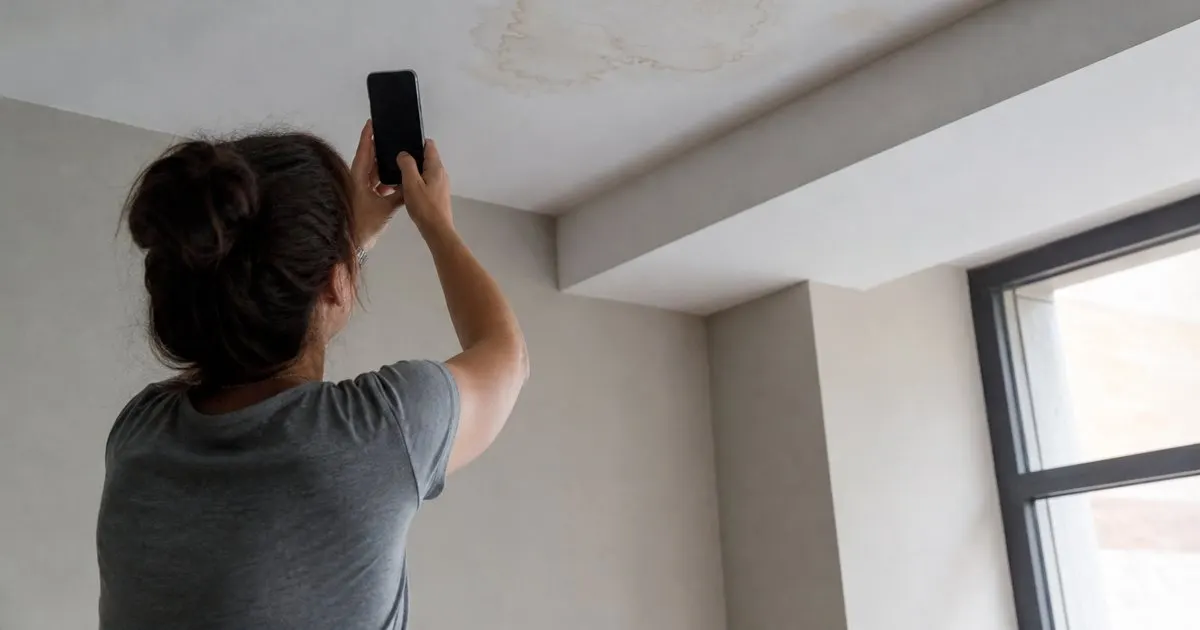
What information should a tenant include when submitting a maintenance request online?
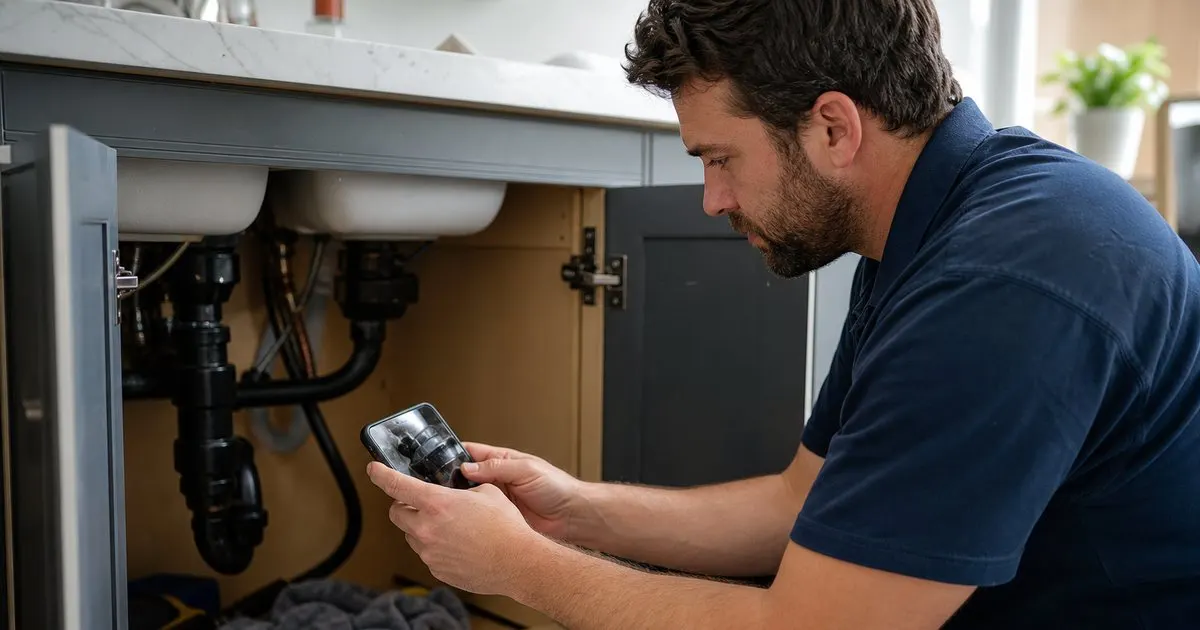
Why do maintenance photos matter when landlords assign repairs to outside vendors?

When should a landlord respond to an urgent maintenance request from a tenant?
Get the RentFixr playbook
Practical guides on rental maintenance tracking, straight to your inbox as we publish them. No spam, unsubscribe any time.