What information should a tenant include when submitting a maintenance request online?
The right details up front mean fewer follow-up questions and a faster fix.
Name the room and describe the problem plainly, attach a photo or short video, and flag how urgent it is along with any access constraints like a pet or preferred times. Adding current contact details lets the landlord respond without a round of follow-up questions and speeds up the actual fix.
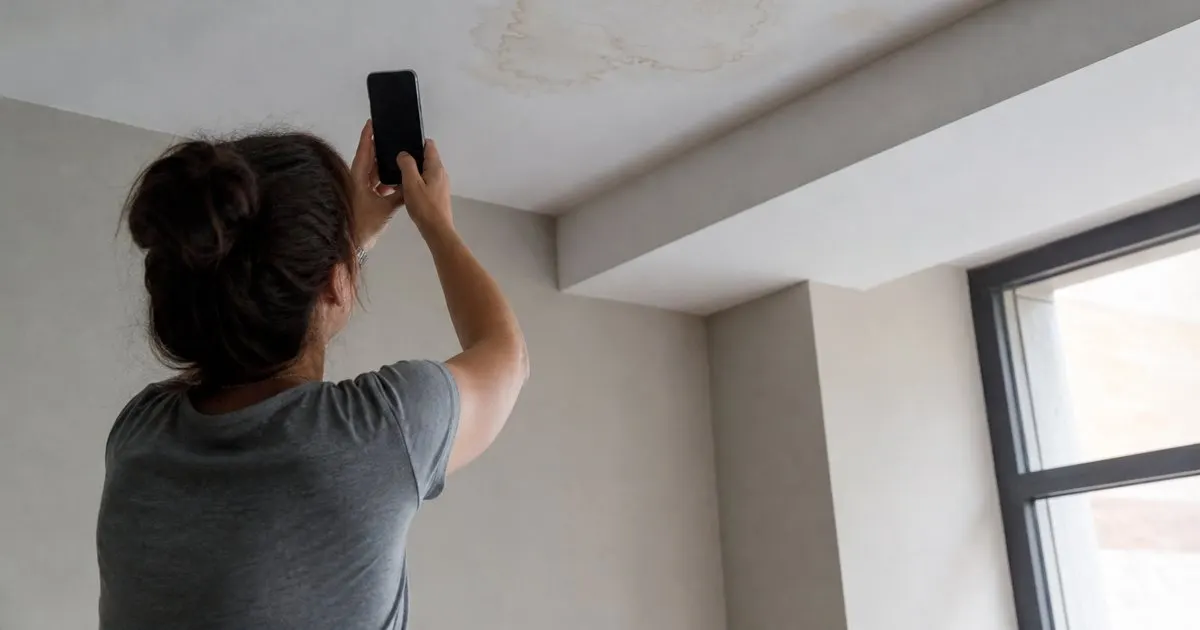
Location and description
A good request starts with where and what. Tenants should name the room and describe the problem in plain terms, such as the kitchen sink drains slowly or the bedroom window will not lock.
Specific language saves a round trip of questions. A landlord who reads a clear description can often diagnose the issue and send the right person the first time. Related: When should a landlord respond to an urgent maintenance request from a tenant?
Keep reading: How do small landlords track tenant maintenance requests without losing paperwork?, Why do maintenance photos matter when landlords assign repairs to outside vendors?, When should a landlord respond to an urgent maintenance request from a tenant?. See how RentFixr helps you rental maintenance request tracking for landlords.
A photo or short video
A picture removes guesswork. A photo of a cracked tile or a dripping pipe shows the scope in a way that words rarely match.
For intermittent problems, a short video helps. A running toilet or a flickering light is easier to understand in motion than in a still image.
Urgency and access
Tenants should flag how urgent the issue feels. No heat in winter is not the same as a squeaky door, and knowing the difference helps a landlord triage fairly.
Access details matter too. A note about pets, work schedules, or a preferred time window helps a vendor plan a visit that actually happens. Related: Why do maintenance photos matter when landlords assign repairs to outside vendors?
Contact and follow-up
A current phone number or email lets the landlord or vendor confirm timing. Missing contact details are a common reason repairs stall before they start. Related: Which maintenance tasks can small landlords safely handle without hiring a licensed pro?
Finally, tenants should keep an eye on the request status. A quick reply to a scheduling message keeps the repair moving instead of bouncing back to the queue. Related: How can landlords keep a clear repair history across multiple rental properties?
- Name the room and describe the problem clearly
- Attach a photo or short video
- Flag urgency and access constraints
- Include current contact details

Julien Jimenez
Julien Jimenez is an independent software builder based in Paris. He designs, ships, and operates focused SaaS products for small businesses and independent professionals. Read the full author page.
Frequently asked questions
Why attach a photo to a maintenance request?
A picture shows the real scope, so the landlord or vendor arrives with the right parts and skips a wasted diagnostic visit. It also records the condition at the time of reporting.
What access details should a tenant mention?
Note pets, preferred entry times, and whether the landlord may use a key when the tenant is out. These details prevent missed appointments and delays in getting the repair done.
Track every repair in one place
Rental maintenance request tracking for landlords. RentFixr is built to help you put this into practice.
Start freeMore from the RentFixr blog
How do small landlords track tenant maintenance requests without losing paperwork?
Why do maintenance photos matter when landlords assign repairs to outside vendors?

When should a landlord respond to an urgent maintenance request from a tenant?
Get the RentFixr playbook
Practical guides on rental maintenance tracking, straight to your inbox as we publish them. No spam, unsubscribe any time.