Which maintenance tasks can small landlords safely handle without hiring a licensed pro?
Some jobs are fair game for a handy owner, and some belong to a professional.
Simple, low-risk jobs like patching paint, swapping a faucet washer, or replacing a light fixture are usually fair game for a handy owner. Hidden or regulated work involving major electrical, gas, or structural systems belongs to a licensed pro. Check local licensing and permit rules, and log every repair either way.
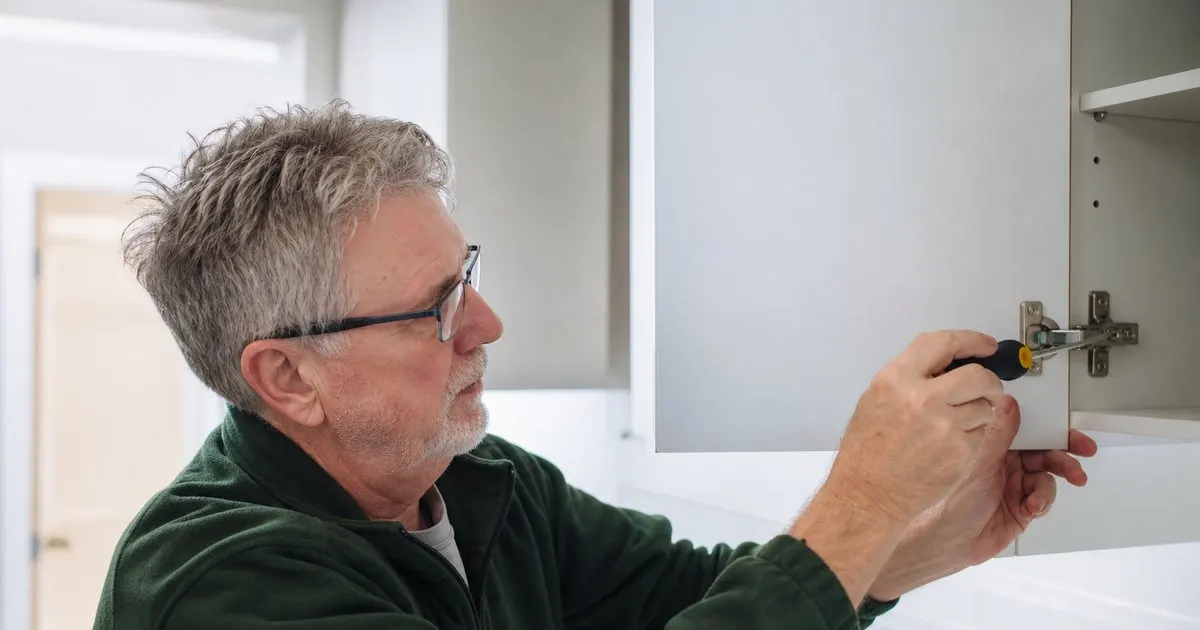
Simple, low-risk fixes
Plenty of small tasks are safe for a capable owner. Replacing a worn faucet washer, patching a small drywall hole, swapping a light fixture bulb, or adjusting a sticky door are all reasonable to handle yourself.
These jobs carry little risk and rarely require a permit. Doing them promptly keeps small problems from growing while saving a service call fee.
Keep reading: How do small landlords track tenant maintenance requests without losing paperwork?, What information should a tenant include when submitting a maintenance request online?, Why do maintenance photos matter when landlords assign repairs to outside vendors?. See how RentFixr helps you rental maintenance request tracking for landlords.
Know your limits
The trouble starts when a simple job hides a bigger one. A leak under the sink can point to a failing supply line, and a flickering light can signal a wiring issue.
If a task involves major electrical work, gas lines, structural changes, or anything behind a wall you cannot see, that is a signal to call a professional rather than guess.
Where the law draws lines
Many jurisdictions require licensed pros for certain electrical, plumbing, and HVAC work, and some require permits. Doing regulated work yourself can void insurance or create liability.
Rules vary widely, so check your local requirements before taking on anything regulated. When in doubt, a licensed contractor protects both you and your tenant. Related: What is the best way to vet a new contractor before adding them to a rental vendor list?
Track it either way
Whether you fix it yourself or hire out, log the work against the unit. A record of what was done and when helps with future repairs and turnover.
Good records also show tenants that issues get addressed, which builds trust and encourages them to report problems early rather than let them fester.
- Handle simple, low-risk cosmetic fixes yourself
- Call a pro for hidden or regulated work
- Check local licensing and permit rules
- Log every repair against the unit

Julien Jimenez
Julien Jimenez is an independent software builder based in Paris. He designs, ships, and operates focused SaaS products for small businesses and independent professionals. Read the full author page.
Frequently asked questions
How do you know when a repair is beyond DIY?
If it touches gas, major electrical panels, structural elements, or requires a permit, hire a licensed pro. When you are unsure whether it is regulated, treat that uncertainty as a sign to call one.
Do licensing rules for repairs vary by location?
Yes. Permit and licensing requirements differ by state and city, so confirm your local rules before doing regulated work yourself. This is general guidance, not legal advice.
Track every repair in one place
Rental maintenance request tracking for landlords. RentFixr is built to help you put this into practice.
Start freeMore from the RentFixr blog

How do small landlords track tenant maintenance requests without losing paperwork?
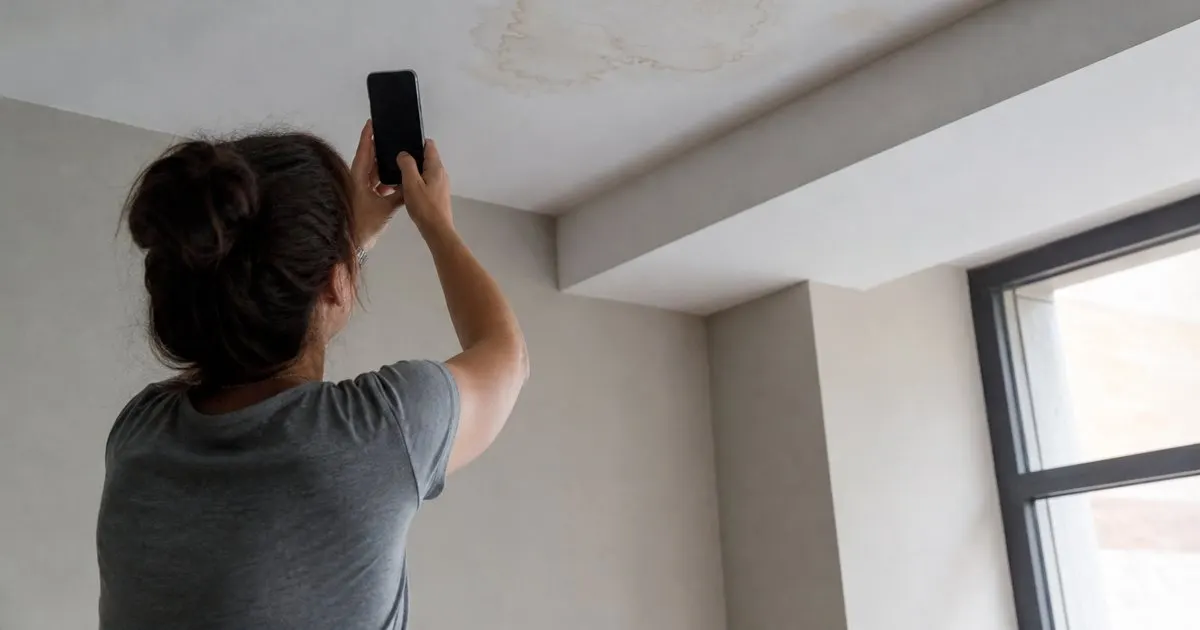
What information should a tenant include when submitting a maintenance request online?
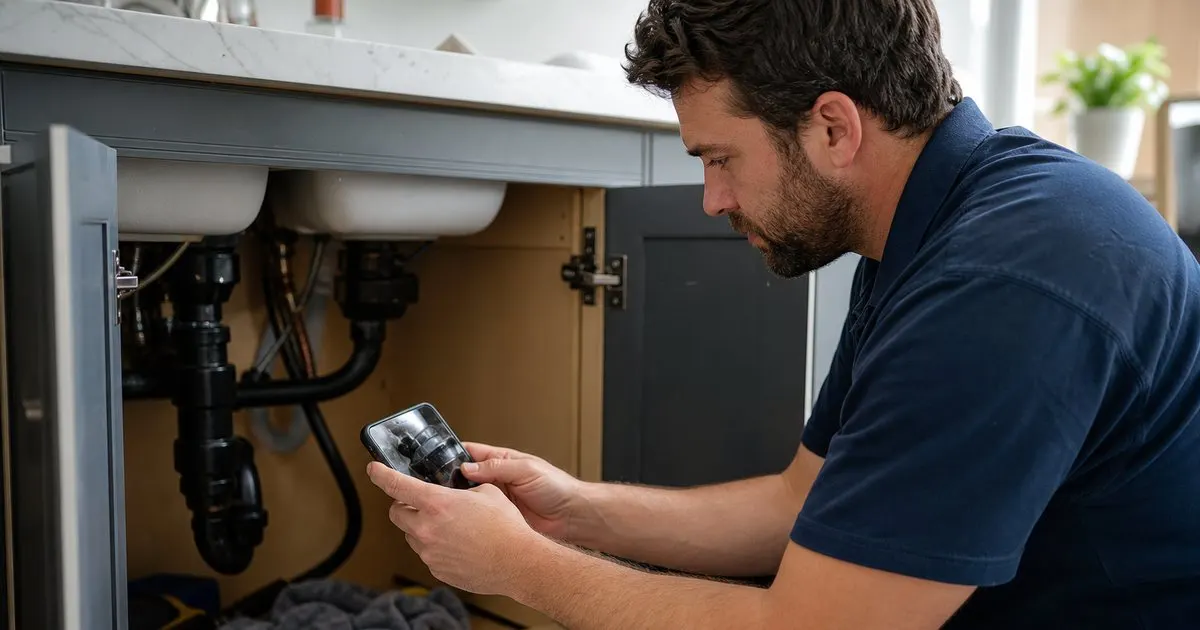
Why do maintenance photos matter when landlords assign repairs to outside vendors?
Get the RentFixr playbook
Practical guides on rental maintenance tracking, straight to your inbox as we publish them. No spam, unsubscribe any time.