When should a landlord respond to an urgent maintenance request from a tenant?
Speed depends on the risk to health, safety, and the property itself.
Judge urgency by risk to health, safety, and the property. True emergencies like a gas smell, no heat in winter, or an active leak deserve a same-day response, while routine requests can follow a clear stated timeline. Documenting when you received and acted on each request protects everyone if questions arise later.

Define what counts as urgent
Not every request is an emergency, but some clearly are. No heat in winter, no running water, a gas smell, or an active leak all threaten health, safety, or the building and demand a fast response.
Setting a clear definition helps everyone. Tenants know what to flag, and you know what to drop other tasks for.
Keep reading: How do small landlords track tenant maintenance requests without losing paperwork?, What information should a tenant include when submitting a maintenance request online?, Why do maintenance photos matter when landlords assign repairs to outside vendors?. See how RentFixr helps you rental maintenance request tracking for landlords.
Same-day for true emergencies
For genuine emergencies, aim to acknowledge the request within an hour or two and get help moving the same day. Even if the full fix takes longer, a quick response and a temporary measure matter.
This is not just good service. In many places, landlords have a duty to keep a rental habitable, and prompt action on serious issues is part of that. Requirements vary by state, so confirm your local rules. Related: Which maintenance tasks can small landlords safely handle without hiring a licensed pro?
Set expectations for routine work
For non-urgent requests, a clear timeline prevents frustration. Telling a tenant you will have someone out within a few business days is far better than silence. Related: How do small landlords track tenant maintenance requests without losing paperwork?
Acknowledging a request quickly, even when the repair will take time, reassures tenants that they were heard and keeps them from escalating. Related: What information should a tenant include when submitting a maintenance request online?
Document your response
Keep a record of when a request came in and when you acted. If a dispute ever arises about whether you responded promptly, that timeline is your best evidence.
A tracked history also helps you spot patterns, like a vendor who is consistently slow, so you can improve your response over time. Related: Why does preventive maintenance cost landlords less than reactive repairs over time?
- Define urgent by health, safety, and property risk
- Act same-day on true emergencies
- Give routine requests a clear timeline
- Document when you received and acted on each request

Julien Jimenez
Julien Jimenez is an independent software builder based in Paris. He designs, ships, and operates focused SaaS products for small businesses and independent professionals. Read the full author page.
Frequently asked questions
What counts as a true maintenance emergency?
Anything that threatens safety or causes ongoing damage, such as a gas leak, flooding, no heat in cold weather, or a total loss of power. These warrant an immediate response.
How fast should routine repairs be handled?
Give routine issues a clear window, such as a few business days, and tell tenants that timeline up front. Local law may set minimum timelines, so confirm your state's rules.
Track every repair in one place
Rental maintenance request tracking for landlords. RentFixr is built to help you put this into practice.
Start freeMore from the RentFixr blog

How do small landlords track tenant maintenance requests without losing paperwork?
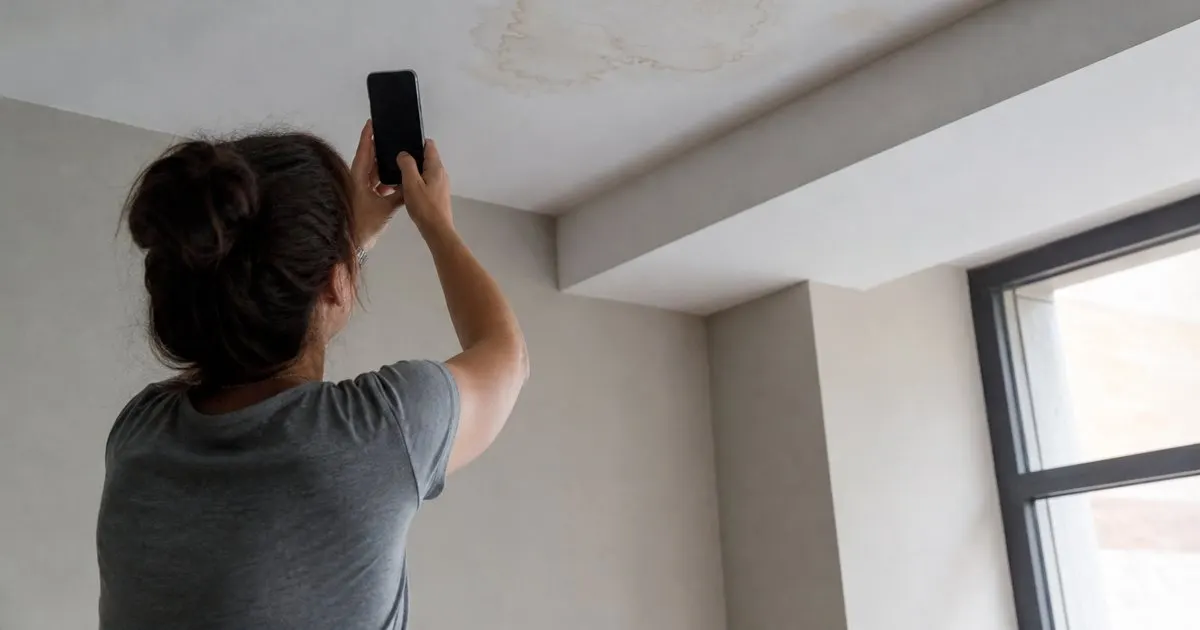
What information should a tenant include when submitting a maintenance request online?
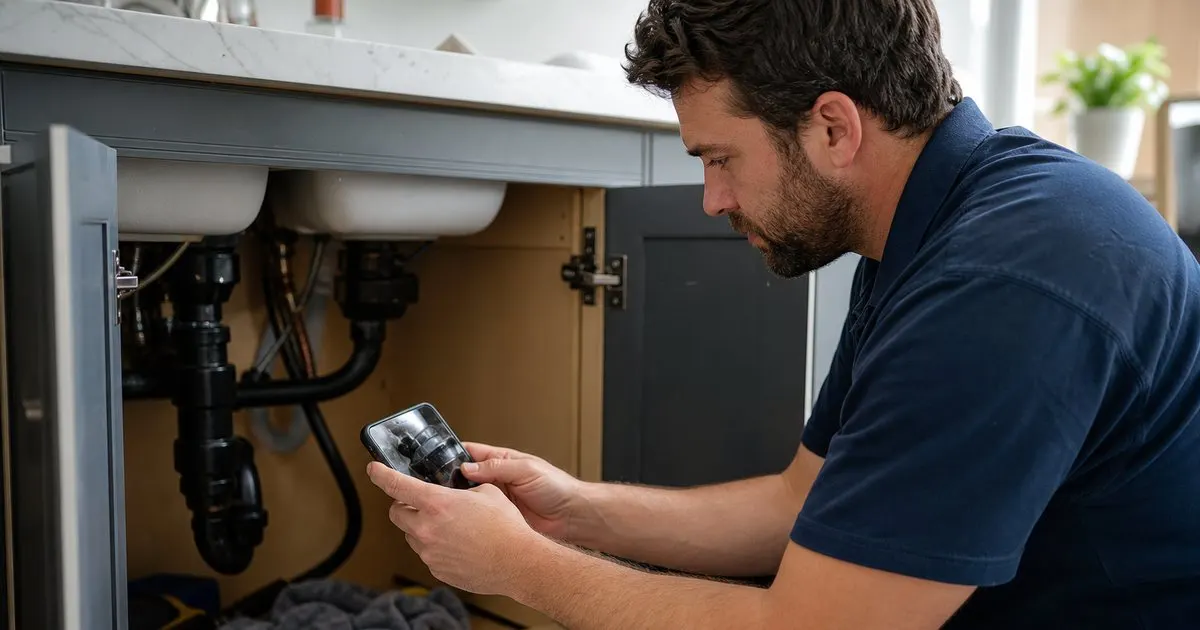
Why do maintenance photos matter when landlords assign repairs to outside vendors?
Get the RentFixr playbook
Practical guides on rental maintenance tracking, straight to your inbox as we publish them. No spam, unsubscribe any time.