Why does preventive maintenance cost landlords less than reactive repairs over time?
Reactive repairs carry hidden costs that never show up on the invoice. Here is what preventive scheduling actually changes, and a practical calendar to start with.
The invoice is only part of the reactive bill
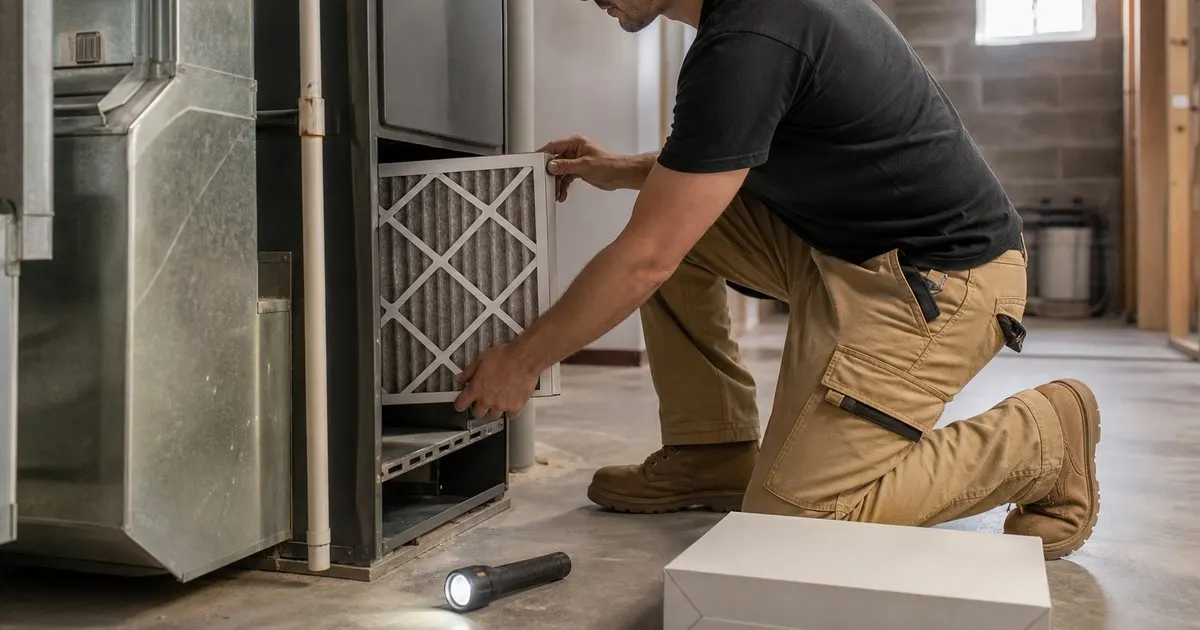
When a water heater fails on a Saturday night, the plumber's after-hours rate is the visible cost. The invisible costs are the tenant's ruined weekend, the wet drywall and flooring, the emergency mitigation, the follow-up visits, and the hours you spend coordinating all of it. A planned replacement during business hours, scheduled at a convenient time for the tenant, has none of those add-ons. The parts and labor are similar; everything around them is different. Related: When should a landlord respond to an urgent maintenance request from a tenant?
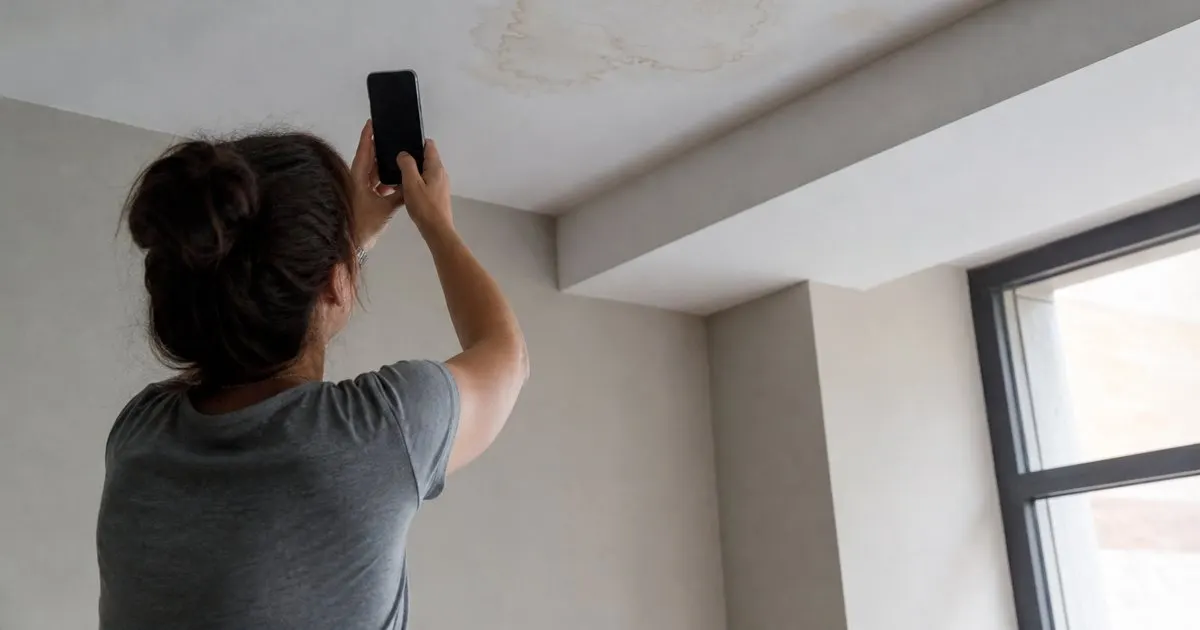
There is also the failure-cascade problem. A clogged condensate line does not just drip; it can ruin a ceiling. A neglected dryer vent does not just slow drying; it is a fire risk. A missing caulk bead at a tub does not just look bad; it lets water into the subfloor. Preventive maintenance is cheap precisely because it interrupts these chains at the first, least expensive link, before the damage spreads to things that were never broken.
Keep reading: How do small landlords track tenant maintenance requests without losing paperwork?, What information should a tenant include when submitting a maintenance request online?, Why do maintenance photos matter when landlords assign repairs to outside vendors?. See how RentFixr helps you rental maintenance request tracking for landlords.
What preventive maintenance actually changes
Preventive work does not eliminate repairs; systems still age and eventually fail. What it changes is when and how they fail. Regular filter changes and coil cleaning let an HVAC system reach the far end of its typical service life instead of the near end. Periodic water heater flushing where water is hard slows sediment buildup. Clearing gutters and checking grading keeps water away from foundations. Each of these converts a surprise into a scheduled event you can budget for. Related: How much should a small landlord set aside each year for rental maintenance costs?
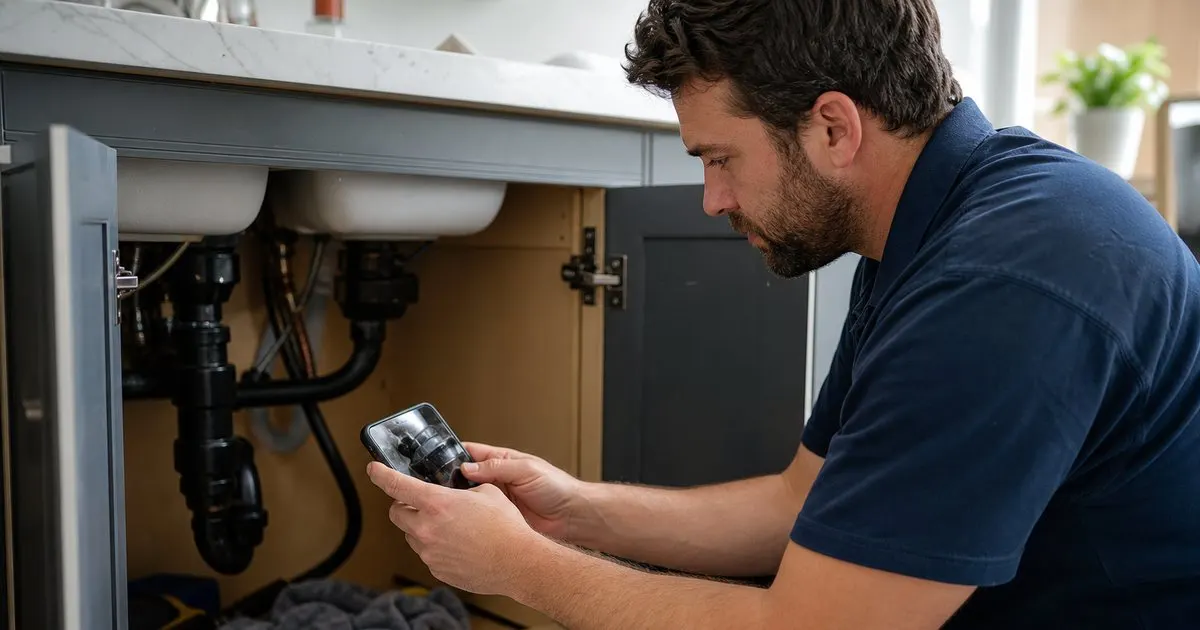
It also changes what you know. A technician on a routine visit will notice the capacitor that is weakening, the flex line that is corroding, or the shutoff valve that no longer turns. Those observations, logged against the unit, give you a replacement forecast. Landlords who only react never see the warning signs, because nobody is looking until something breaks, and by then the cheapest options are gone.
A preventive calendar for small portfolios
You do not need a facilities department. A simple recurring schedule covers most of the value: HVAC filter changes every one to three months depending on the unit, smoke and carbon monoxide detector tests at every filter change, a spring exterior walk for gutters, grading, and caulk, a fall visit for a heating check, weatherstripping, and hose bib shutoff, and an annual water heater inspection. Add a pest inspection and dryer vent cleaning once a year, more often in units with heavy laundry use.
The trick is making those recurring tasks show up automatically instead of relying on memory. Whatever system you use, each recurring task should generate a request with a due date, a checklist, and a place to attach photos and notes. When the task closes, the observations from that visit become the seed for the next one. That loop is where the savings compound, because you stop rediscovering the same issues every season.
How to tell whether it is working
Track two numbers per unit: the count of unplanned repair requests per year and the share of after-hours or emergency calls. If preventive scheduling is doing its job, both should drift down over two or three years while planned tasks go up. You will also notice the average ticket cost falling, because the work shifts from urgent replacement toward routine service, and routine service is where vendors give you their best rates. Related: How do small landlords track tenant maintenance requests without losing paperwork?
Be honest about what preventive maintenance cannot do. It will not save a roof that is already at the end of its life or make a very old furnace young again. In those cases the preventive move is a planned replacement on your schedule rather than the furnace's. The goal is not zero repairs; it is fewer surprises, calmer tenants, and a portfolio where the big expenses are visible a year out instead of a night out. Related: Why do maintenance photos matter when landlords assign repairs to outside vendors?
- Reactive repairs cost more because of after-hours rates, collateral damage, and coordination time, not just parts.
- Preventive work interrupts failure chains at the cheapest link and extends the useful life of major systems.
- A simple recurring calendar of filters, detectors, seasonal walks, and water heater checks captures most of the value.
- Measure success by fewer unplanned tickets and fewer emergency calls per unit over several years.

Julien Jimenez
Julien Jimenez is an independent software builder based in Paris. He designs, ships, and operates focused SaaS products for small businesses and independent professionals. Read the full author page.
Track every repair in one place
Rental maintenance request tracking for landlords. RentFixr is built to help you put this into practice.
Start freeMore from the RentFixr blog

How do small landlords track tenant maintenance requests without losing paperwork?
What information should a tenant include when submitting a maintenance request online?
Why do maintenance photos matter when landlords assign repairs to outside vendors?
Get the RentFixr playbook
Practical guides on rental maintenance tracking, straight to your inbox as we publish them. No spam, unsubscribe any time.