How much should a small landlord set aside each year for rental maintenance costs?
Rules of thumb are a starting point, not a budget. Here is how to build a maintenance reserve from your own property's age, systems, and repair history.

Why the common rules of thumb disagree with each other
Landlords hear several shorthand formulas: a percentage of gross rent, a percentage of property value, a fixed amount per square foot per year. They disagree because they measure different things. A percentage of rent scales with the local market, not with the building; a high-rent unit in a new building may need far less than the formula suggests, while an inexpensive older duplex may need far more. A percentage of value has the opposite problem in expensive markets, where land value inflates the number without adding a single pipe or shingle to maintain. Related: How do small landlords track tenant maintenance requests without losing paperwork?
Treat those formulas as a sanity check, not the plan. A more honest approach is to use one of them for the first year if you have no history, then replace it with your actual numbers as soon as you have twelve months of tracked repairs. The gap between rule of thumb and reality is usually driven by three things: the age of the major systems, tenant density and turnover, and whether you do any of the work yourself. Related: When should a landlord respond to an urgent maintenance request from a tenant?
Keep reading: How do small landlords track tenant maintenance requests without losing paperwork?, What information should a tenant include when submitting a maintenance request online?, Why do maintenance photos matter when landlords assign repairs to outside vendors?. See how RentFixr helps you rental maintenance request tracking for landlords.
Separate routine repairs from capital replacements
Mixing a leaky faucet and a roof into one bucket makes the number meaningless. Routine repairs are frequent, small, unpredictable in timing but fairly predictable in aggregate: clogged drains, garbage disposals, door hardware, minor appliance service calls, a running toilet. Capital replacements are rare, large, and predictable in timing if you know the age of the item: roof, HVAC, water heater, flooring, kitchen appliances, exterior paint. Related: Which maintenance tasks can small landlords safely handle without hiring a licensed pro?
Build two lines. For routine repairs, use last year's tracked total, adjusted for anything unusual that is unlikely to repeat. For capital items, list each major component, its typical service life, its current age, and a realistic replacement cost from a local quote, then divide the remaining cost by the remaining years. Add those annual slices together and you get a capital reserve contribution that reflects your building instead of a generic percentage.
Let your repair log set the number
The most accurate budget source is your own history. If you have been logging every request with the date, the category, who did the work, and what it cost, you can see your real run rate per unit and how it moves by season. Plumbing calls cluster in winter, HVAC calls in the first heat wave, and turnover repairs cluster around lease end dates. A log turns those patterns into a monthly cash flow forecast instead of a single annual guess.
This is where a tracking tool earns its keep. When every ticket carries a cost and a category, the annual report writes itself, and you can spot the unit that eats a disproportionate share of the budget. That outlier is usually either a deferred capital item or a tenant behavior issue, and both are cheaper to address once you can see them in the numbers rather than feel them in your bank account.
How to hold the reserve without raiding it
A reserve only works if it is real money in a separate account, funded monthly from rent before anything else. Many small landlords set a per-unit monthly transfer equal to one-twelfth of the combined routine and capital figure, and let it accumulate until it reaches a ceiling they are comfortable with, often several months of rent per unit for older buildings. Once the ceiling is reached, contributions can slow, but they should never stop entirely while a major system is near the end of its life.
Revisit the number every year at lease renewal time. Update the age of each system, replace estimated costs with real quotes, and compare last year's forecast against what was actually spent. A budget that is off by a wide margin is not a failure; it is information. Over two or three cycles the forecast tightens, and the annual maintenance conversation stops being a source of anxiety and becomes a routine line in the plan. Related: What information should a tenant include when submitting a maintenance request online?
- Rules of thumb disagree because they measure rent or value, not the actual condition of your building.
- Split the budget into routine repairs and capital replacements, and fund each from different evidence.
- Your own repair log, with a cost and a category on every ticket, is the most accurate forecast you can get.
- Keep the reserve in a separate account, fund it monthly, and recalibrate it every year at renewal time.

Julien Jimenez
Julien Jimenez is an independent software builder based in Paris. He designs, ships, and operates focused SaaS products for small businesses and independent professionals. Read the full author page.
Track every repair in one place
Rental maintenance request tracking for landlords. RentFixr is built to help you put this into practice.
Start freeMore from the RentFixr blog

How do small landlords track tenant maintenance requests without losing paperwork?
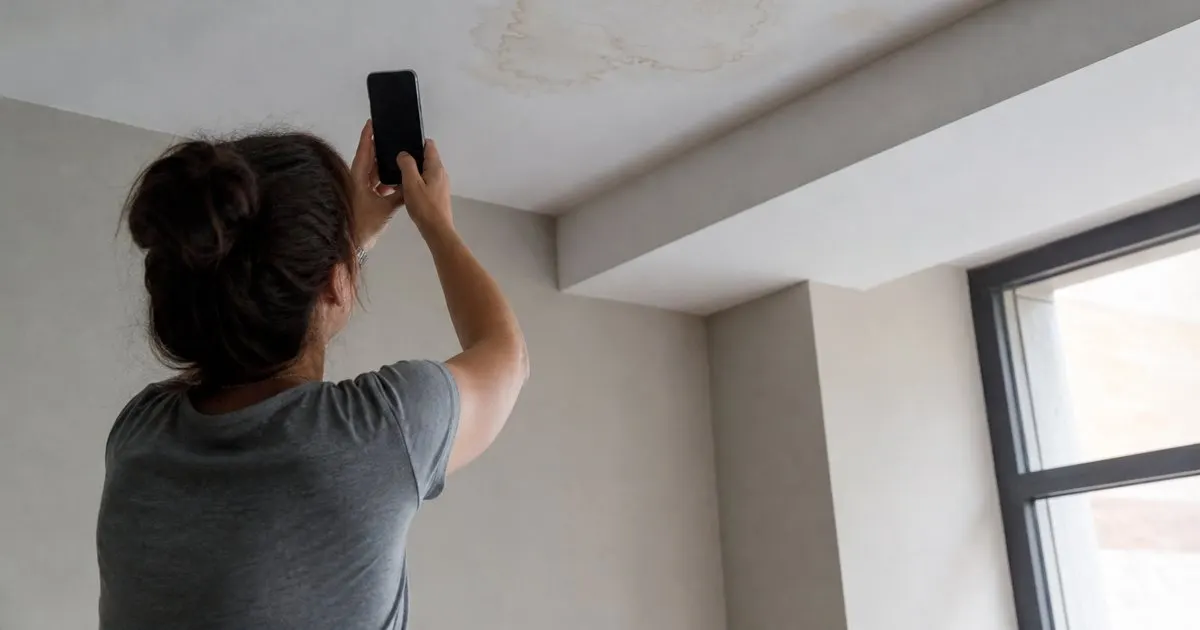
What information should a tenant include when submitting a maintenance request online?
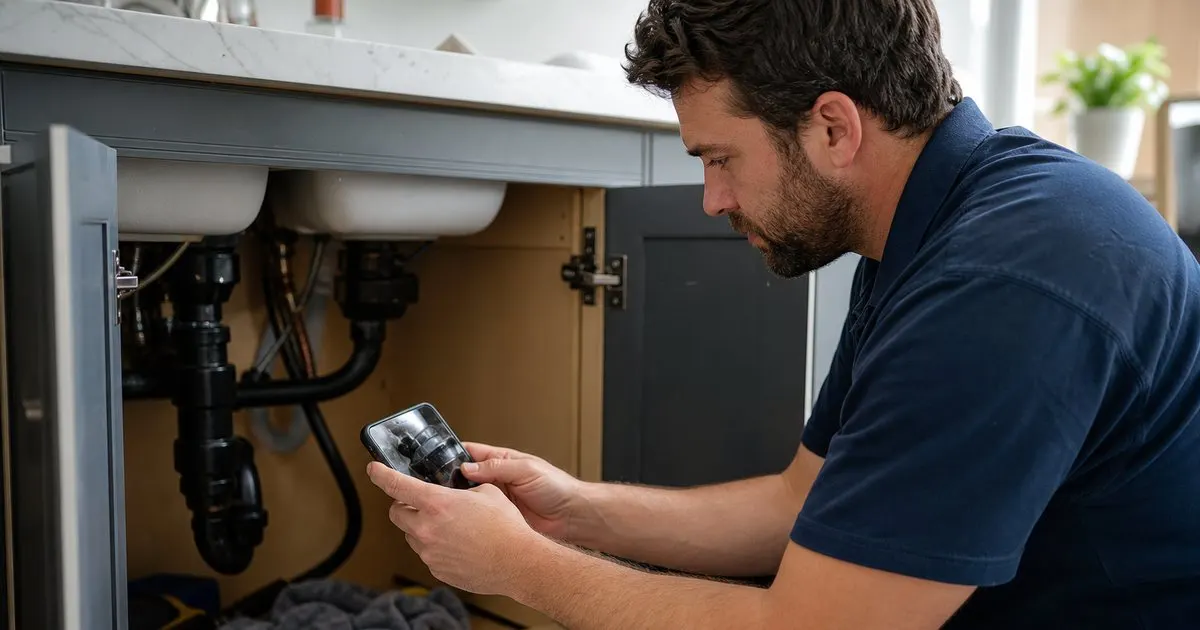
Why do maintenance photos matter when landlords assign repairs to outside vendors?
Get the RentFixr playbook
Practical guides on rental maintenance tracking, straight to your inbox as we publish them. No spam, unsubscribe any time.