Can better maintenance tracking actually reduce tenant turnover in small rental portfolios?
Responsive, well-documented repairs are a quiet driver of tenant loyalty.
Yes. Tenants often leave over slow or forgotten repairs, so fast, visible action on requests builds real trust. Shared records prevent the friction of disputed or repeated issues. Over time the retention that responsiveness earns outweighs the small effort of tracking, since keeping a good tenant beats turning a unit.

Why tenants leave
Rent is not the only reason tenants move. Slow or ignored repairs are a frequent complaint, and a tenant who feels unheard starts looking elsewhere when the lease ends. Related: When should a landlord respond to an urgent maintenance request from a tenant?
Turnover is expensive. Between lost rent, cleaning, repairs, and marketing, an empty unit can cost far more than the small effort of handling requests well. Related: Which maintenance tasks can small landlords safely handle without hiring a licensed pro?
Keep reading: How do small landlords track tenant maintenance requests without losing paperwork?, What information should a tenant include when submitting a maintenance request online?, Why do maintenance photos matter when landlords assign repairs to outside vendors?. See how RentFixr helps you rental maintenance request tracking for landlords.
Responsiveness builds trust
When a tenant reports a problem and sees quick, clear action, they feel respected. That trust makes them more likely to renew and more forgiving when something does go wrong.
Tracking helps you deliver that experience consistently. A system that surfaces open requests means fewer fall through the cracks during a busy stretch.
Documentation prevents friction
A clear record of what was reported and fixed heads off disputes. Both sides can look back at the same history instead of arguing from memory. Related: How can landlords keep a clear repair history across multiple rental properties?
That transparency is calming. Tenants who trust the process are less likely to withhold rent or escalate over a misunderstanding.
The compounding payoff
Retention compounds. A tenant who stays several years saves you repeated turnover costs and often treats the unit with more care.
Good maintenance tracking is a modest investment against a large recurring cost. For a small portfolio, keeping even one extra tenant a year can outweigh the effort many times over. Related: How do small landlords track tenant maintenance requests without losing paperwork?
- Slow repairs are a common reason tenants leave
- Fast, visible action builds tenant trust
- Shared records prevent disputes
- Retention savings outweigh the tracking effort

Julien Jimenez
Julien Jimenez is an independent software builder based in Paris. He designs, ships, and operates focused SaaS products for small businesses and independent professionals. Read the full author page.
Frequently asked questions
How does maintenance tracking build tenant trust?
When tenants see requests logged and handled promptly, they feel heard and cared for. That reliability is a quiet but powerful reason people renew instead of looking elsewhere.
Is reducing turnover worth the cost of tracking repairs?
Usually yes. Turnover brings vacancy, cleaning, and marketing costs, so even a modest gain in retention tends to outweigh the light effort of keeping organized maintenance records.
Track every repair in one place
Rental maintenance request tracking for landlords. RentFixr is built to help you put this into practice.
Start freeMore from the RentFixr blog

How do small landlords track tenant maintenance requests without losing paperwork?
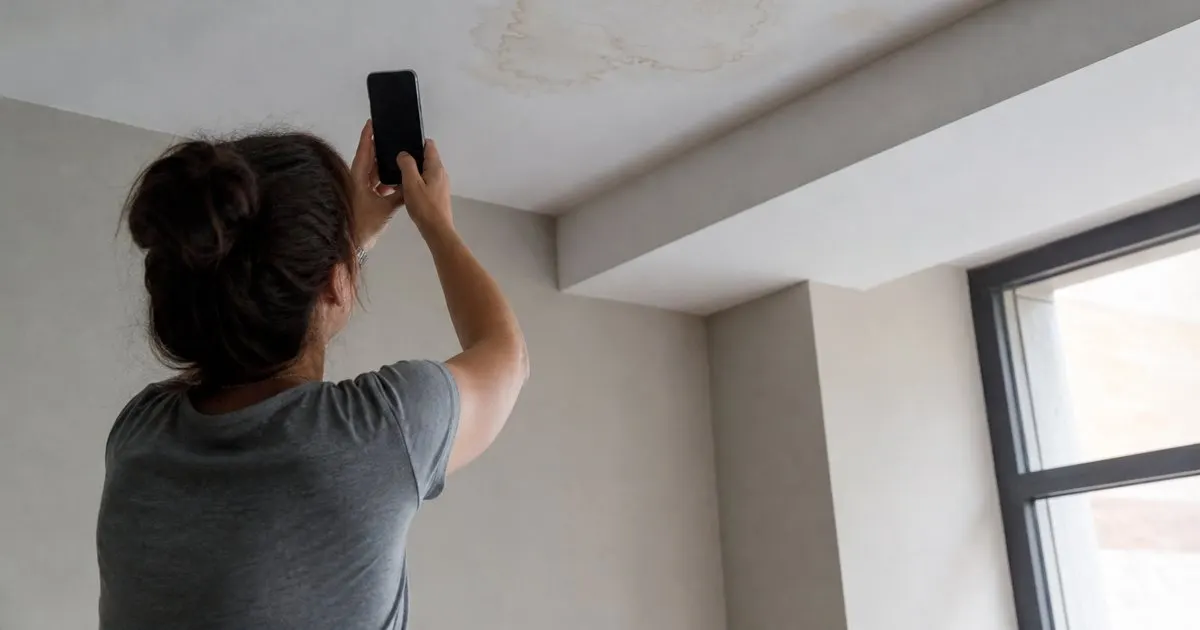
What information should a tenant include when submitting a maintenance request online?
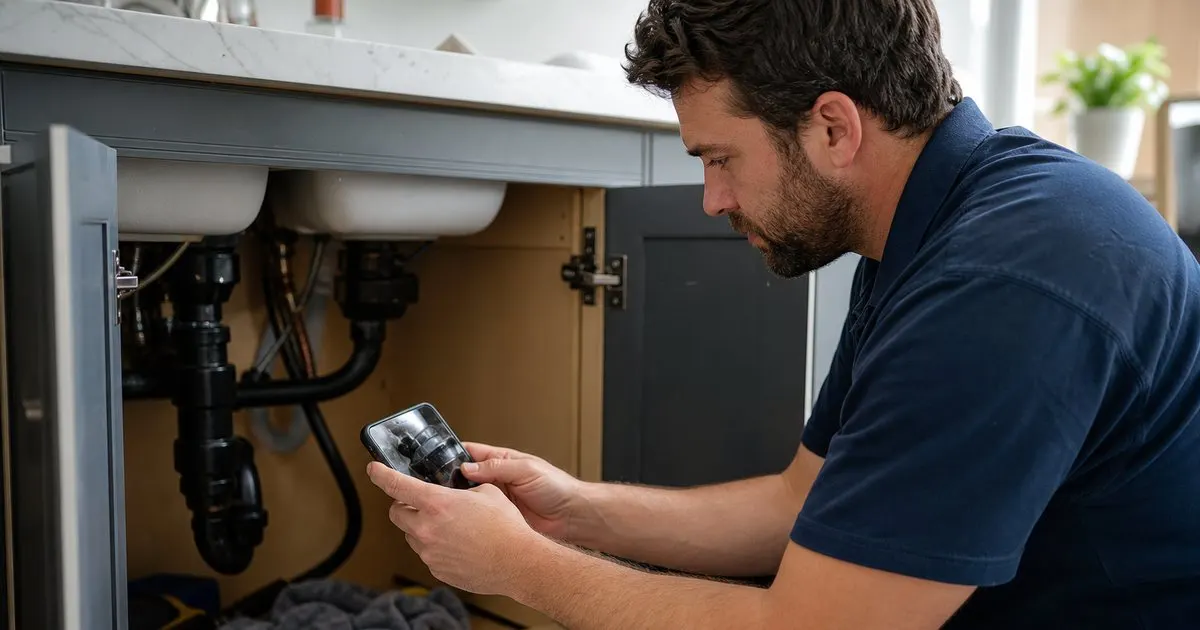
Why do maintenance photos matter when landlords assign repairs to outside vendors?
Get the RentFixr playbook
Practical guides on rental maintenance tracking, straight to your inbox as we publish them. No spam, unsubscribe any time.