How do you handle a tenant who refuses entry for a scheduled repair visit?
Refused entry is usually a communication problem before it is a legal one. Here is a calm, documented sequence that gets the repair done and keeps you on the right side of the lease.
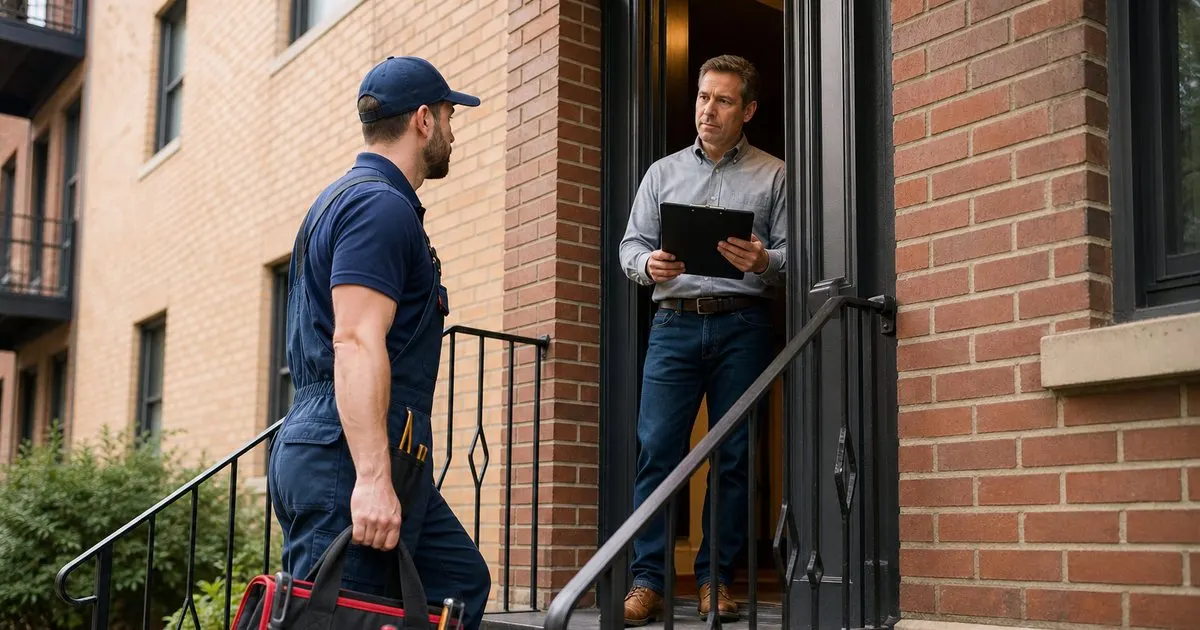
Find out why before you escalate
Most refusals are not defiance. The tenant works a shift that did not match the window, has a dog that needs to be crated, has a sick child at home, or simply did not see the notice. Some tenants are anxious about strangers in the home, especially when the vendor is someone they have never met. A short call or message asking what would make the visit work usually resolves the problem faster than any formal letter, and it keeps the relationship intact.
The rare true refusal comes from a tenant who does not want the landlord to see something: an unauthorized occupant, a pet, damage, or a condition they are embarrassed by. You still need a professional tone, but you should shift to writing immediately and keep the notice trail complete, because those situations can turn into lease violations that need documentation. Never speculate about the reason in your messages; just record the dates, the notices, and the responses.
Keep reading: How do small landlords track tenant maintenance requests without losing paperwork?, What information should a tenant include when submitting a maintenance request online?, Why do maintenance photos matter when landlords assign repairs to outside vendors?. See how RentFixr helps you rental maintenance request tracking for landlords.
Know what your lease and state law actually say
Nearly every US state has either a statute or established case law on landlord entry, and most require reasonable advance notice for non-emergency access, commonly in the range of one to two days, with entry during reasonable hours. A few states have no statutory notice requirement at all, and lease language then controls. Check your own state and read your lease's entry clause before you assert anything to the tenant, because a confident statement that turns out to be wrong is hard to walk back.
Emergencies are treated differently everywhere: an active water leak, a gas smell, no heat in freezing weather, or a fire hazard generally allows entry without the usual notice. The risk is mislabeling a routine repair as an emergency to force access. If the issue can wait a day or two without damage or danger, treat it as non-emergency and give proper notice, even if the tenant is being difficult. Courts look closely at whether the emergency label was earned. Related: How do small landlords track tenant maintenance requests without losing paperwork?
Reschedule once, in writing, with a real choice
After the first refusal, send a written notice that offers two or three specific windows, names who will attend (you, a specific vendor, or both), and states the reason for the repair. Giving the tenant a choice removes the feeling of being ordered around and gives you a clear record that you accommodated them. Ask them to confirm one window by a stated date, and make it easy to reply through the same channel they used to submit the request. Related: What information should a tenant include when submitting a maintenance request online?
If the tenant picks a window and then refuses again, or does not respond at all, your next notice should reference the lease clause and the prior attempts, state the date and time you intend to enter with proper notice, and explain that the repair is necessary to maintain the property. Keep the language factual and short. Every message, delivery method, and timestamp should live in the request record so the whole sequence is visible in one place if you ever need to show it. Related: When should a landlord respond to an urgent maintenance request from a tenant?
When entry is refused a third time
At this point you have a documented pattern, and your options vary by state: entering with proper notice despite the refusal, serving a notice to cure the lease violation, or in some jurisdictions seeking a court order. Which is appropriate depends on your state and on the severity of the repair. A small cosmetic issue rarely justifies escalation; a leak that threatens the unit below does. Match the response to the stakes, not to your frustration. Related: How should landlords set fair response times for different types of repair issues?
Before taking any of those steps, remember what you actually want: the repair completed and the tenancy preserved. A brief, polite phone call from you personally, acknowledging that the visits have been an inconvenience, often unlocks a cooperative date. If it does not, consult a local landlord-tenant attorney rather than guessing, because a wrongful entry claim is far more expensive than an hour of legal advice.
- Most refused entries are scheduling or anxiety problems, and a quick personal call solves them.
- Confirm your state's notice rules and your lease's entry clause before asserting any right to enter.
- Offer specific alternative windows in writing, and keep every notice and timestamp in the repair record.
- Escalate only after a documented pattern, and get local legal advice before entering over an objection.

Julien Jimenez
Julien Jimenez is an independent software builder based in Paris. He designs, ships, and operates focused SaaS products for small businesses and independent professionals. Read the full author page.
Track every repair in one place
Rental maintenance request tracking for landlords. RentFixr is built to help you put this into practice.
Start freeMore from the RentFixr blog

How do small landlords track tenant maintenance requests without losing paperwork?
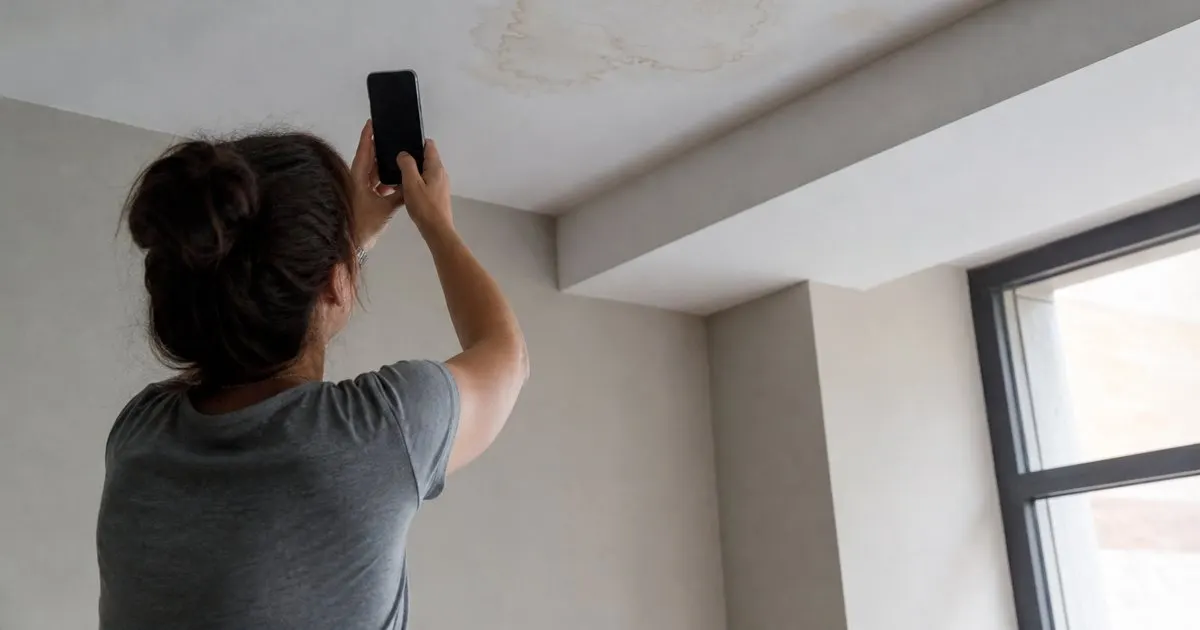
What information should a tenant include when submitting a maintenance request online?
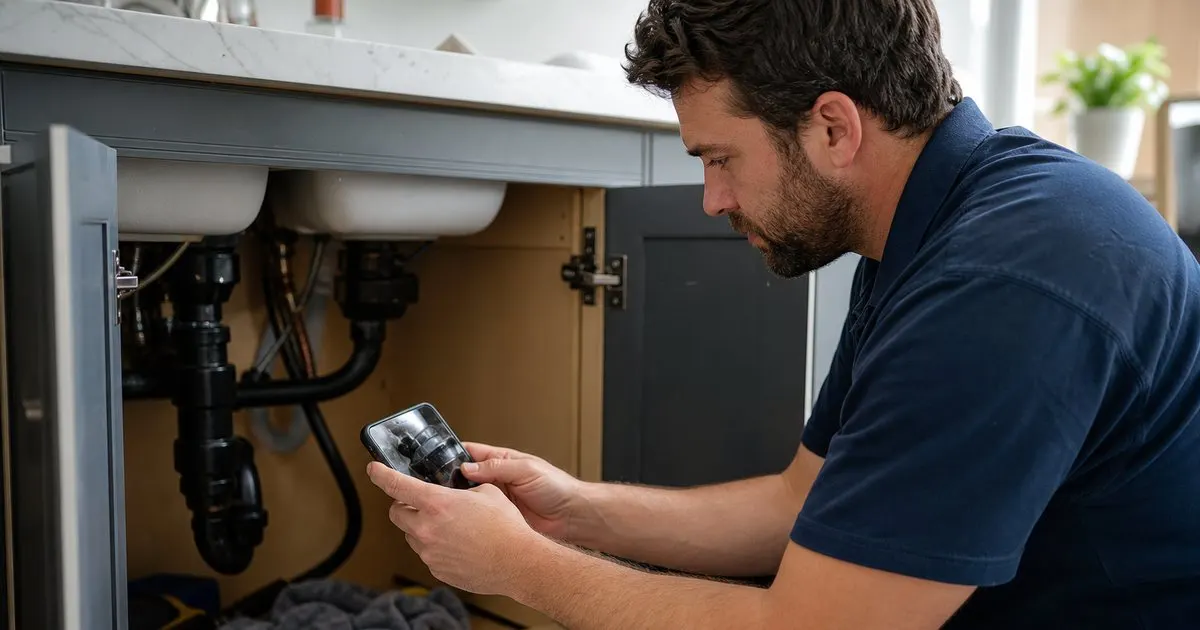
Why do maintenance photos matter when landlords assign repairs to outside vendors?
Get the RentFixr playbook
Practical guides on rental maintenance tracking, straight to your inbox as we publish them. No spam, unsubscribe any time.