Which repair costs can a landlord fairly deduct from a tenant's security deposit?
The line between normal wear and tenant damage decides most deposit disputes. Here is how to draw it consistently and back every deduction with a record.

Wear and tear versus damage, in practical terms
Every state that regulates deposits allows deductions for damage beyond normal wear and tear, and none allow charging the tenant for ordinary aging. The distinction sounds simple but gets argued constantly. Wear and tear is what happens when a reasonable person lives in a space: faint traffic patterns in carpet, small nail holes from pictures, minor scuffs near door frames, slightly faded paint, a loose cabinet hinge after years of opening and closing.
Damage is what would not have happened with reasonable care: a burn or pet stain on carpet, holes larger than a nail, crayon on walls, a broken window, a door pulled off its hinge, a disposal jammed with something it should never have received. A practical test many landlords use is whether the condition would exist if the unit had been occupied for the same period by a careful tenant. If yes, it is wear; if no, it is probably damage.
Keep reading: How do small landlords track tenant maintenance requests without losing paperwork?, What information should a tenant include when submitting a maintenance request online?, Why do maintenance photos matter when landlords assign repairs to outside vendors?. See how RentFixr helps you rental maintenance request tracking for landlords.
Account for the age of what was damaged
Even legitimate damage is rarely deductible at full replacement cost. Most states and most courts expect landlords to prorate for the remaining useful life of the item. If a tenant ruins carpet that was already near the end of its typical life, the deductible amount is a fraction of the replacement price, not the whole invoice. Charging full price for an old item is one of the most common reasons deposit deductions get reduced in small claims court. Related: How do small landlords track tenant maintenance requests without losing paperwork?
This is where an accurate property history matters. If you know when the carpet, paint, appliances, and flooring were installed, you can calculate a defensible prorated figure in minutes. If you do not, you are guessing, and the tenant's guess will be more generous to them. Keeping install dates on the property record is not bureaucracy; it is the difference between a deduction that holds and one that gets refunded with penalties.
Build the evidence before the tenant moves out
The strongest deductions are anchored to a move-in condition report with dated photos, signed by both parties, and a move-out inspection performed the same way. Photograph every room from the same angles at both points, close in on any pre-existing flaw, and note appliance model and condition. Several states require landlords to offer the tenant a pre-move-out walkthrough so they can fix issues themselves; where that applies, skipping it can void the deductions entirely. Related: Why do maintenance photos matter when landlords assign repairs to outside vendors?
For each deduction, keep an itemized invoice or a receipt for materials plus a reasonable labor charge if you did the work yourself. Vague line items such as cleaning with no receipt or repairs with no description are routinely thrown out. If the damage was reported during the tenancy, link the original maintenance request and its photos to the move-out record, because that shows the damage existed, when it was found, and what it actually cost to fix. Related: What information should a tenant include when submitting a maintenance request online?
Send the itemized statement correctly and on time
Deposit statutes are strict about timing and format. Deadlines for returning the deposit or sending an itemized statement typically run from a couple of weeks to a couple of months after move-out depending on the state, and many states impose penalties of a multiple of the deposit for missing the deadline or failing to itemize. Send the statement by a method you can prove, keep a copy, and include receipts where the law requires them. Related: How can landlords keep a clear repair history across multiple rental properties?
Write the itemization so a stranger could understand it: the item, the condition at move-in, the condition at move-out, the repair cost, and any proration applied. When the numbers are transparent, many tenants accept them without dispute, and the ones who do dispute face a record that is difficult to argue with. A consistent process across every unit is also your best protection against a claim that you treat some tenants differently from others.
- Deduct only for damage a careful tenant would not have caused, never for ordinary aging.
- Prorate deductions for the remaining life of the item, and keep install dates to make that calculation defensible.
- Anchor every deduction to dated move-in and move-out photos and to itemized receipts.
- Follow your state's deadline and itemization rules exactly, since penalties for getting them wrong often exceed the deposit.

Julien Jimenez
Julien Jimenez is an independent software builder based in Paris. He designs, ships, and operates focused SaaS products for small businesses and independent professionals. Read the full author page.
Track every repair in one place
Rental maintenance request tracking for landlords. RentFixr is built to help you put this into practice.
Start freeMore from the RentFixr blog

How do small landlords track tenant maintenance requests without losing paperwork?
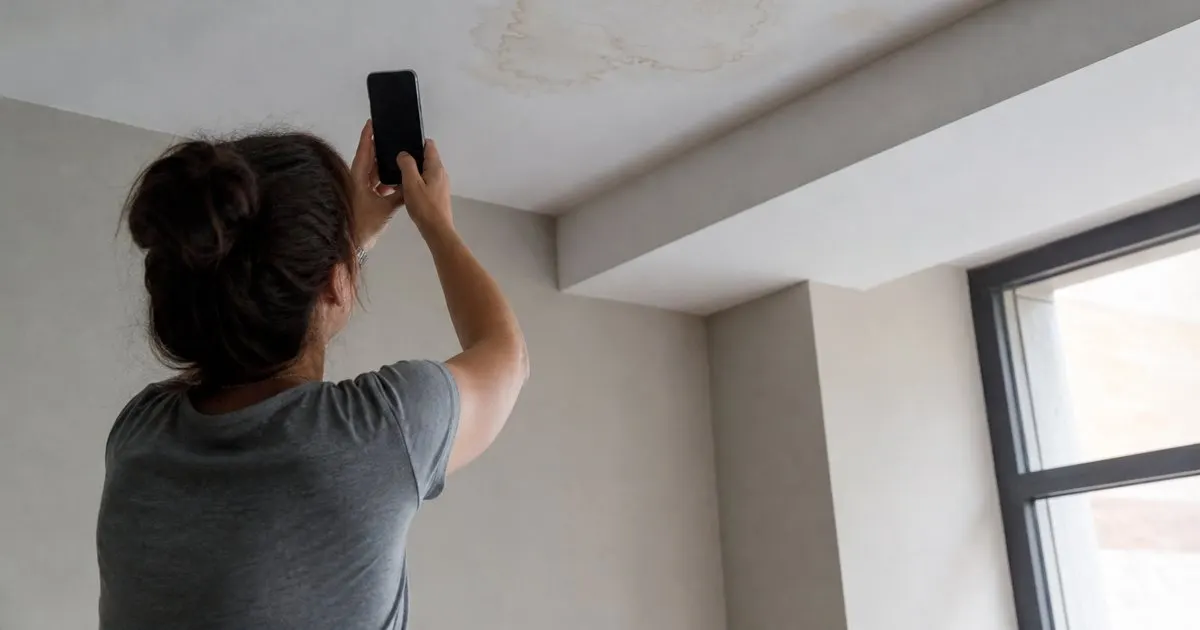
What information should a tenant include when submitting a maintenance request online?
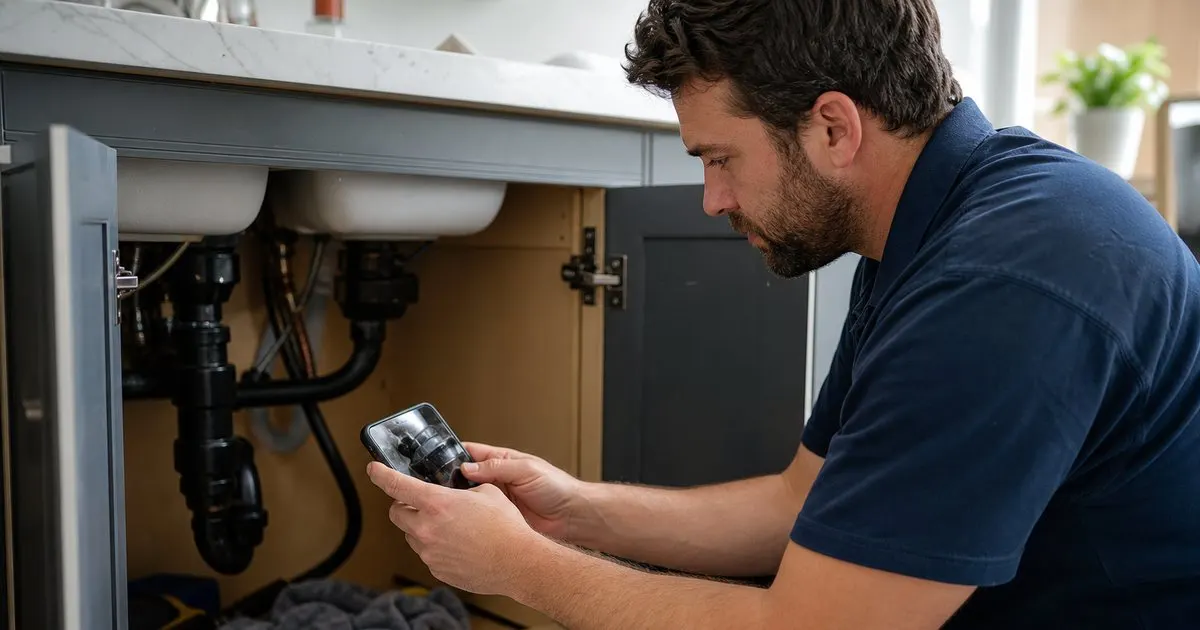
Why do maintenance photos matter when landlords assign repairs to outside vendors?
Get the RentFixr playbook
Practical guides on rental maintenance tracking, straight to your inbox as we publish them. No spam, unsubscribe any time.