Why does the same repair keep coming back to one unit even after a vendor visit?
A repair that returns three times is rarely bad luck. It is usually a symptom treated without a diagnosis, and your ticket history is the fastest place to prove it.
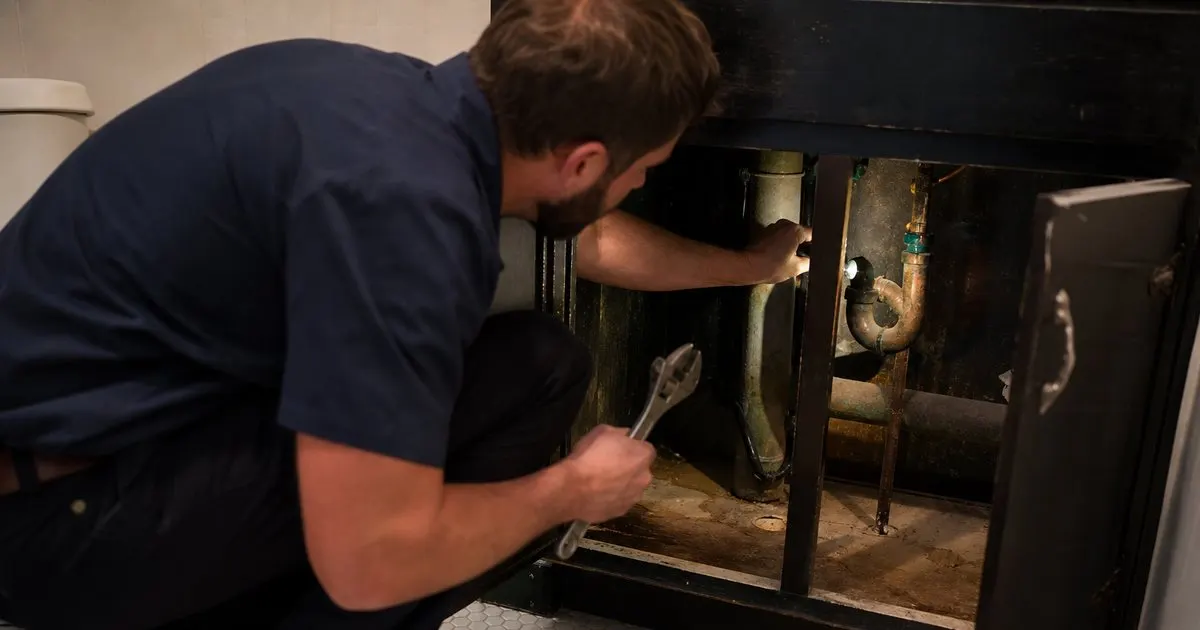
Repeat visits are a records problem before they are a plumbing problem
Ask a landlord whether a unit has a recurring issue and you usually get a feeling rather than a fact. Yeah, I think that shower has been a headache. The feeling is right, but it arrives too late to change any decision, because each request came in as a separate text on a separate day and each one got handled on its own. When every ticket starts from zero, nobody ever sees the third one as the third one. The vendor certainly does not, since to him it is a Tuesday call about a slow drain. Related: When should a landlord respond to an urgent maintenance request from a tenant?
A useful working definition helps here: a repeat is the same unit, the same symptom, inside roughly ninety days. Once you can spot that pattern, the economics change fast. Three visits at a typical minimum service charge each usually costs more than one longer diagnostic visit, and it costs far more in tenant goodwill, because the tenant experiences it as three interruptions and one unsolved problem. This is the single clearest argument for logging maintenance in one place: not tidiness, but the ability to see that you are paying repeatedly for the same failure. Related: What information should a tenant include when submitting a maintenance request online?
Keep reading: How do small landlords track tenant maintenance requests without losing paperwork?, What information should a tenant include when submitting a maintenance request online?, Why do maintenance photos matter when landlords assign repairs to outside vendors?. See how RentFixr helps you rental maintenance request tracking for landlords.
The four reasons the same repair keeps coming back
First, the symptom was treated and the cause survived. A ceiling stain gets painted, a P trap gets cleared, a breaker gets reset. The visible problem disappears for a few weeks while the leak above, the partial blockage downstream, or the overloaded circuit continues doing exactly what it was doing. Second, the wrong trade was dispatched. A handyman sent to a moisture complaint fixes caulk when the real issue is a bath fan venting into the attic instead of outside, which is not his work to diagnose and not what he was asked to look for.
Third, the fix was a stopgap approved over the phone. This is the most common one and the easiest to miss, because a stopgap is a legitimate choice when a tenant needs hot water tonight. It only becomes a repeat when nobody records that it was temporary, so the follow up never gets scheduled. Fourth, the cause is outside the unit. Building wide water pressure, a shared drain stack, roof drainage, or a failing main can present as a single apartment's problem, and no amount of work inside that apartment will end it.
How to run a visit that actually ends the cycle
Change what you send the vendor. Instead of a one line description of today's symptom, send the history: three dates, what was reported each time, what was done, and photos from each visit. Then ask for something different from a fix. Ask for a diagnosis, in writing, naming the cause and the recommended permanent repair, and say plainly that you expect this visit to take longer than the last three and that you will pay for the diagnostic time. Vendors respond well to that framing, because guessing under time pressure is not what any good tradesperson wants to be doing either. Related: Why do maintenance photos matter when landlords assign repairs to outside vendors?
Give the visit the conditions it needs. Recurring problems are often intermittent, so the technician may need to run the fixture, load the circuit, or wait for the appliance to cycle, and that means tenant access for a real window rather than a rushed fifteen minutes. Ask for photos of the cause, not just the finished repair, since a picture of the corroded fitting or the disconnected duct is what makes the next decision obvious. When the diagnosis names something structural or building wide, you now have documentation you can take to a specialist, an insurer, or a contractor for a proper scope.
Knowing when to stop repairing and change something bigger
At some point the repeat stops being a repair question and becomes a capital one. Add up what the last twelve months of visits to that unit cost, including your own time and the callbacks you did not invoice, and compare it against replacing the component outright: the water heater, the fixture, the section of supply line, the bath fan and its duct run. When cumulative repair spend is approaching replacement cost and the failures are getting closer together, replacement is usually the cheaper path even though it feels like the expensive one on the day you write the check.
Include the tenant in that math, because they are the part most landlords leave out. A good tenant who has taken three days off work for the same problem is quietly deciding whether to renew, and a turnover typically costs far more than the repair being argued about. Also check your vendor's callback policy before you pay again: many will return at no charge within a stated window when the same failure recurs, and asking politely is reasonable. Then record the outcome against the unit so the pattern, and how you finally ended it, is visible to whoever handles that property next. Related: How do small landlords track tenant maintenance requests without losing paperwork?
- Define a repeat as the same unit and same symptom within about ninety days, so the pattern becomes visible instead of remembered.
- Most repeats trace to four causes: symptom treated not cause, wrong trade dispatched, an unrecorded stopgap, or a building wide source.
- Send the vendor the full history and buy a diagnosis in writing, including photos of the cause rather than only the finished work.
- Compare twelve months of repair spend against replacement, and count tenant patience and turnover risk as part of the cost.

Julien Jimenez
Julien Jimenez is an independent software builder based in Paris. He designs, ships, and operates focused SaaS products for small businesses and independent professionals. Read the full author page.
Track every repair in one place
Rental maintenance request tracking for landlords. RentFixr is built to help you put this into practice.
Start freeMore from the RentFixr blog

How do small landlords track tenant maintenance requests without losing paperwork?
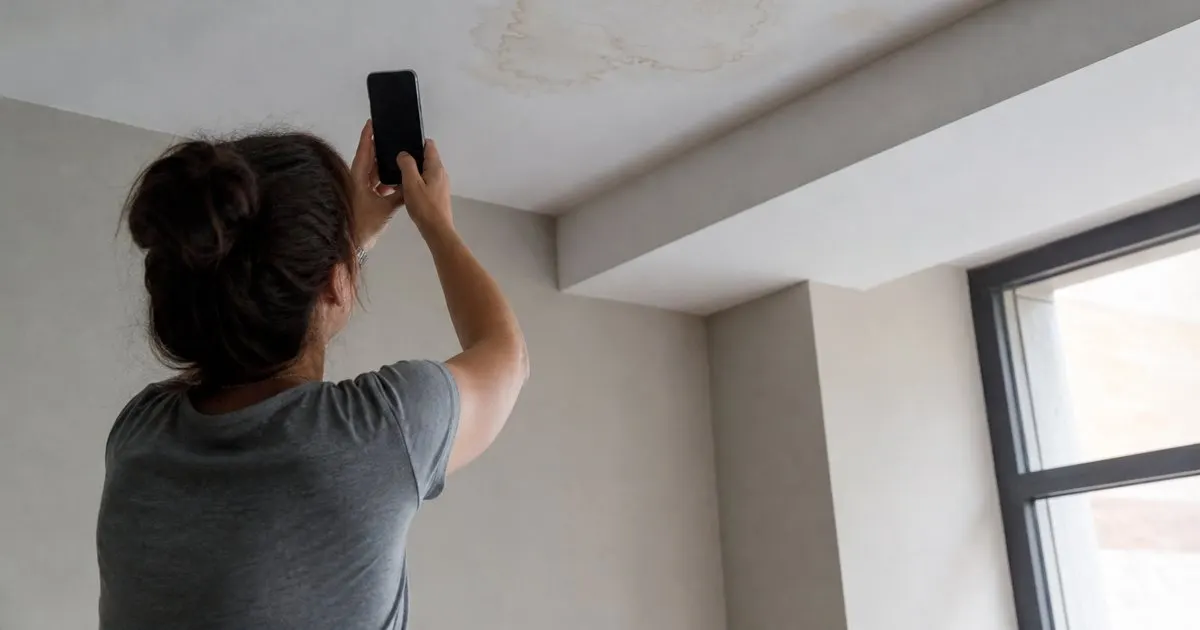
What information should a tenant include when submitting a maintenance request online?
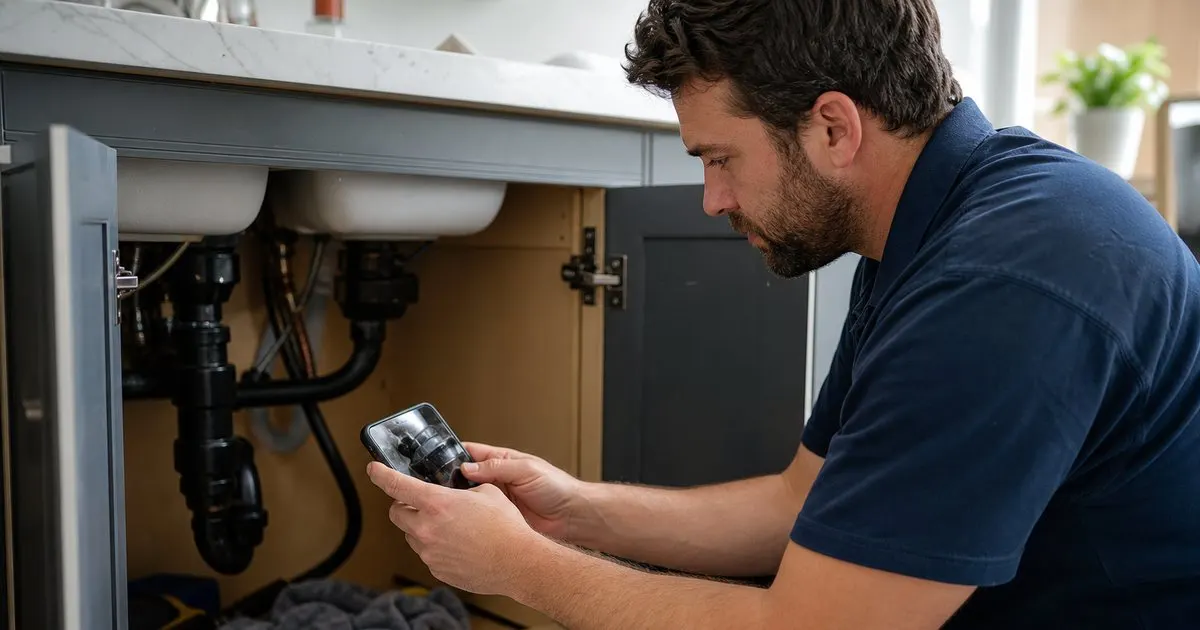
Why do maintenance photos matter when landlords assign repairs to outside vendors?
Get the RentFixr playbook
Practical guides on rental maintenance tracking, straight to your inbox as we publish them. No spam, unsubscribe any time.