How can a small landlord track appliance warranties so a covered repair never gets paid twice?
Most landlords pay out of pocket for repairs that were still covered, simply because nobody could find the purchase date or the model number in time. Here is the record to keep and the 60 second check that catches it.
Why warranty coverage quietly disappears in a rental unit
A dryer stops heating on a Saturday. The tenant messages you, you text the handyman you trust, he swaps a thermal fuse and a heating element, and you pay the invoice on Monday. Two weeks later you find the delivery receipt while cleaning out a drawer and realize the dryer was fourteen months old. The parts were very likely still under a manufacturer parts warranty, and you paid full retail for both of them plus labor. Nothing went wrong with the repair. What went wrong is that the information you needed lived somewhere you could not reach in the ten minutes you had to make a decision. Related: What information should a tenant include when submitting a maintenance request online?
This happens because appliance paperwork and appliance problems arrive years apart. You buy a range in March, file the receipt with that year's taxes, and the igniter fails in a different tax year, in a unit you were not thinking about, on a day when your only goal is getting the tenant cooking again. Warranties also fail quietly: nobody sends you a notice saying coverage would have applied. The cost shows up as a normal repair invoice, which is exactly why most landlords never notice how often it happens across a portfolio. Related: How do small landlords track tenant maintenance requests without losing paperwork?
Keep reading: How do small landlords track tenant maintenance requests without losing paperwork?, What information should a tenant include when submitting a maintenance request online?, Why do maintenance photos matter when landlords assign repairs to outside vendors?. See how RentFixr helps you rental maintenance request tracking for landlords.
What to record on the day an appliance goes into service
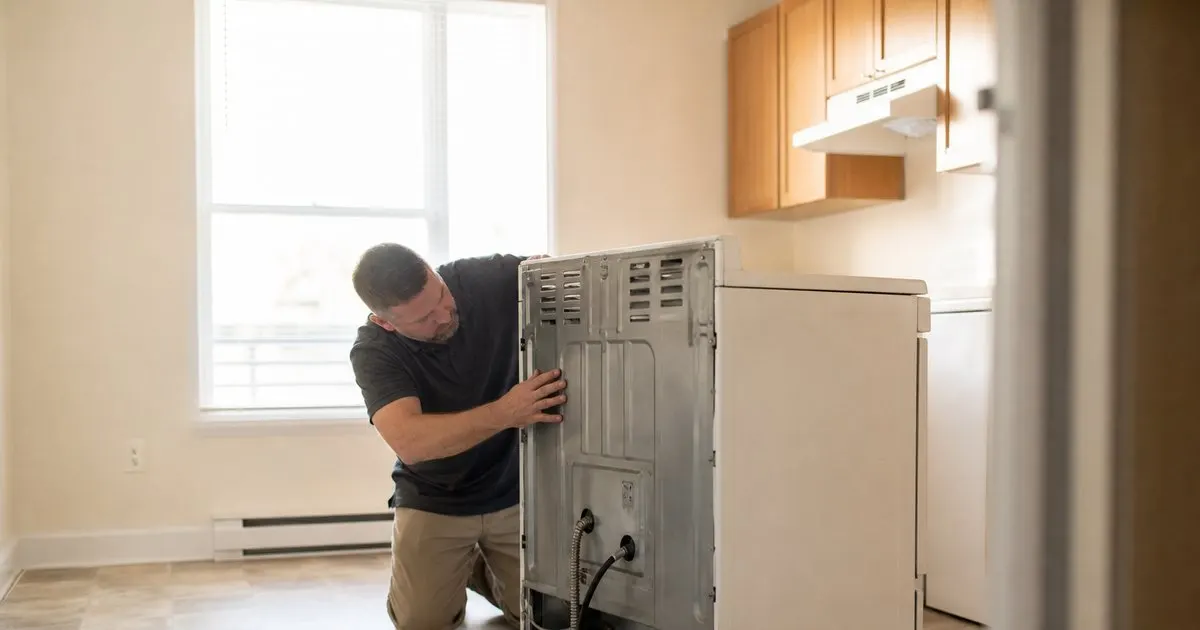
The capture has to happen at install, because that is the only moment when every fact is in front of you. Photograph the data plate, which is usually inside the door frame, behind a kick panel, or on the back, and make sure the model and serial numbers are legible in the shot. Then write down six things: purchase date, install date, seller, price paid, who installed it, and the coverage length stated on the box or the paperwork. If the manufacturer offers online registration, do it that day, because registering later often requires the same receipt you are trying to avoid hunting for.
Where you store this matters more than how detailed it is. A folder on your laptop named by year will not help you at 8pm on a Saturday. Attach the record to the unit itself, so that opening the unit shows you the appliances in it and their coverage status. That is the whole reason we built appliance records into RentFixr as an attribute of a property rather than a separate document library: the question you actually ask is never what did I buy in 2024, it is what is in unit 3B and is any of it still covered.
Making a warranty check the first step of an appliance ticket
Before you dispatch anyone, run a short check that takes under a minute. Pull up the unit, find the appliance, look at the install date, and ask three questions. Is the appliance inside the stated coverage window? Does that coverage include labor or only parts, since the two commonly run for different lengths? And are there extended terms on a major component, which manufacturers often provide for sealed refrigeration systems, compressors, and some motors even after the general warranty has ended? Those component terms are the ones landlords miss most, because the appliance feels old while the expensive part is still covered. Related: Why do maintenance photos matter when landlords assign repairs to outside vendors?
The second half of the check is procedural, and it is the one that costs real money when skipped. Manufacturer warranties typically require service by an authorized servicer, and a repair done by your own handyman can void the claim on that part or on the appliance entirely. So the decision at intake is not just whether to fix it, it is who is allowed to touch it. Write the answer directly on the ticket, something like covered, authorized service only, or out of warranty, use our vendor. Anyone reading that ticket later, including a future you, then knows why the job was routed the way it was.
Handling the cases where coverage is unclear, slow, or gone
Warranty service is usually slower than calling your own vendor, and habitability clocks do not pause while you wait for an authorized technician. For a range in a unit with no other cooking option, or a refrigerator full of a family's food, weigh the wait against the claim value. Sometimes the right answer is to pay your vendor and keep the tenant whole. When you do that, note the reason on the ticket so the decision reads as a choice rather than an oversight. For a second bathroom fixture or a dishwasher, waiting a week for covered service is usually the better trade. Related: Can better maintenance tracking actually reduce tenant turnover in small rental portfolios?
When coverage has genuinely expired, close the loop by recording it. Mark the appliance as out of warranty with the date you confirmed it, and the next request for that unit routes straight to your vendor with no lookup at all. That same record then feeds a harder decision later. An appliance that has left warranty and has two or three repair tickets against it is telling you something about the next five years of invoices, and it belongs on your replacement list before it fails again in the middle of a tenancy.
- Capture model, serial, purchase date, install date, seller, and coverage length on the day the appliance goes in, when every fact is still in front of you.
- Store the record on the unit, not in a folder by year, because the question you ask under pressure is always what is in this unit.
- Check coverage before dispatch, including parts versus labor terms and longer component coverage on compressors and sealed systems.
- Using an unauthorized repairer can void a live claim, so decide who is allowed to touch the appliance before you make the call.

Julien Jimenez
Julien Jimenez is an independent software builder based in Paris. He designs, ships, and operates focused SaaS products for small businesses and independent professionals. Read the full author page.
Track every repair in one place
Rental maintenance request tracking for landlords. RentFixr is built to help you put this into practice.
Start freeMore from the RentFixr blog

How do small landlords track tenant maintenance requests without losing paperwork?
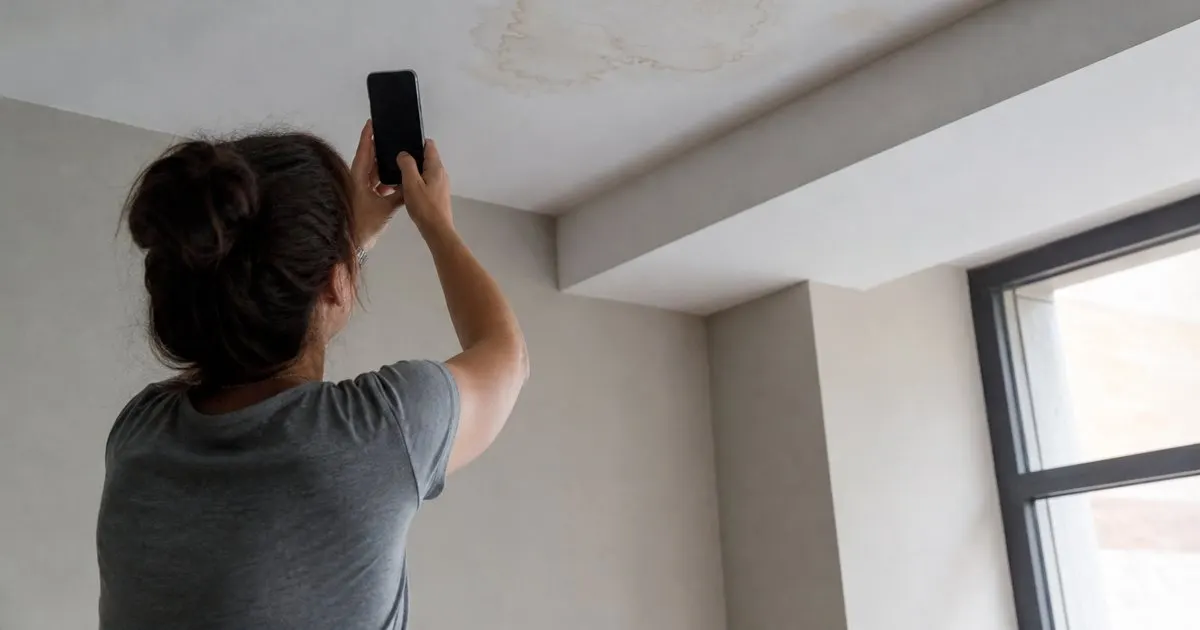
What information should a tenant include when submitting a maintenance request online?
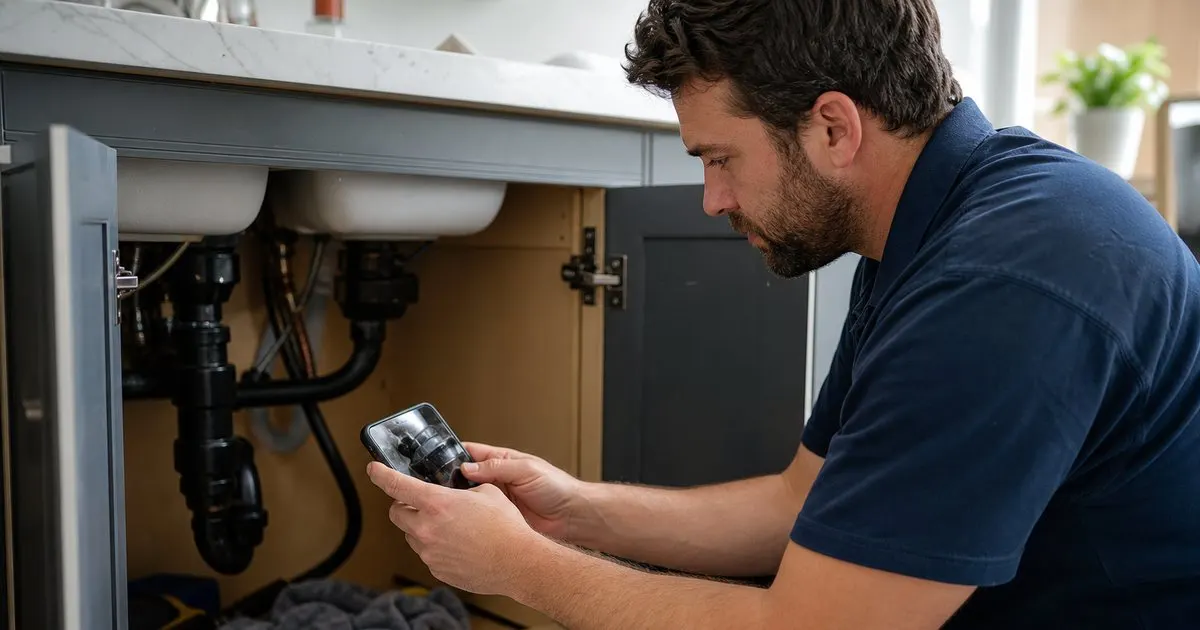
Why do maintenance photos matter when landlords assign repairs to outside vendors?
Get the RentFixr playbook
Practical guides on rental maintenance tracking, straight to your inbox as we publish them. No spam, unsubscribe any time.