What should a landlord do when a tenant deducts repair costs from rent?
Repair and deduct is legal in some states, prohibited in others, and almost always a sign that a request went unanswered. Here is how to respond without escalating.

Understand what repair and deduct actually allows
A number of US states recognize a tenant's right to arrange and pay for certain repairs and subtract the cost from rent, but the right is narrow everywhere it exists. It typically applies only to conditions that affect habitability or that the landlord is clearly obligated to fix, only after the tenant has given written notice and a reasonable time to respond, and only up to a capped amount, often tied to a portion of monthly rent. Some states do not allow it at all, and lease clauses cannot always waive it where it exists. Related: When should a landlord respond to an urgent maintenance request from a tenant?
Because the rules vary so much, the first step is to read your state's statute, not the tenant's letter or a forum post. Determine whether the repair qualifies, whether notice was given the way the statute requires, whether the time allowed had passed, and whether the amount is within the cap. Those four questions decide whether the deduction was proper, and the answer shapes everything you do next.
Keep reading: How do small landlords track tenant maintenance requests without losing paperwork?, What information should a tenant include when submitting a maintenance request online?, Why do maintenance photos matter when landlords assign repairs to outside vendors?. See how RentFixr helps you rental maintenance request tracking for landlords.
Look at your own records before responding
Almost every repair-and-deduct situation begins with a request the tenant felt was ignored. Before you write anything, pull the maintenance history for that unit. Was there a request? When did it arrive, through what channel, and what did you do with it? If the tenant reported a broken heater three weeks ago and the log shows no action, the deduction is probably going to stand even in a state that is strict about procedure, and arguing will cost you more than the repair did. Related: How do small landlords track tenant maintenance requests without losing paperwork?
If the log shows you responded, scheduled a vendor, and the tenant declined access or the repair was already in progress, that changes the picture. Either way, a clear timestamped record is what lets you respond with facts instead of memory. This is one of the strongest arguments for a single request channel: it protects tenants when landlords are slow and protects landlords when tenants skip the process. Related: What information should a tenant include when submitting a maintenance request online?
Respond in writing, once, and calmly
Acknowledge the deduction, state whether you accept it, and explain why in plain terms. If it was proper, thank the tenant for handling it, ask for the receipt for your records, and note that you would prefer to be contacted first in the future so you can use your own vendors. If it was improper (wrong category of repair, no notice, over the cap, or a state that prohibits it), say so, cite the statute or lease clause, and state the balance you consider due. Related: Why do maintenance photos matter when landlords assign repairs to outside vendors?
Do not treat a partial rent payment as a default without checking your state's rules on accepting partial rent and issuing notices. In several jurisdictions, cashing a short check can complicate a later nonpayment claim. Talk to a local attorney before serving any notice. A wrongful eviction attempt over a legitimate deduction is far more expensive than absorbing a plumbing bill, and it poisons the tenancy either way.
Fix the process so it does not happen again
Whatever the outcome, treat the incident as a diagnostic. Somewhere between the tenant's report and your action, the request stalled. Maybe it arrived by text and got buried, maybe it went to a vendor who never confirmed, maybe it was logged but nobody set a due date. Find the exact gap and close it: a single intake channel, an acknowledgment to the tenant within a day, due dates on every ticket, and a status update whenever a vendor is assigned.
Then tell the tenant what changed. A short note explaining that requests now go through one place and that they will get a confirmation and a status update goes a long way toward restoring trust. Tenants who use repair and deduct are usually not trying to fight; they are trying to get heat or water. A landlord who shows they heard that message rarely sees a second deduction.
- Repair and deduct is narrowly allowed in some states and prohibited in others; read your statute before responding.
- Check your own maintenance log first, because most deductions follow a request that stalled.
- Respond once, in writing, stating whether you accept the deduction and citing the rule that applies.
- Get local legal advice before serving any nonpayment notice, then fix the intake gap that let the request stall.

Julien Jimenez
Julien Jimenez is an independent software builder based in Paris. He designs, ships, and operates focused SaaS products for small businesses and independent professionals. Read the full author page.
Track every repair in one place
Rental maintenance request tracking for landlords. RentFixr is built to help you put this into practice.
Start freeMore from the RentFixr blog

How do small landlords track tenant maintenance requests without losing paperwork?
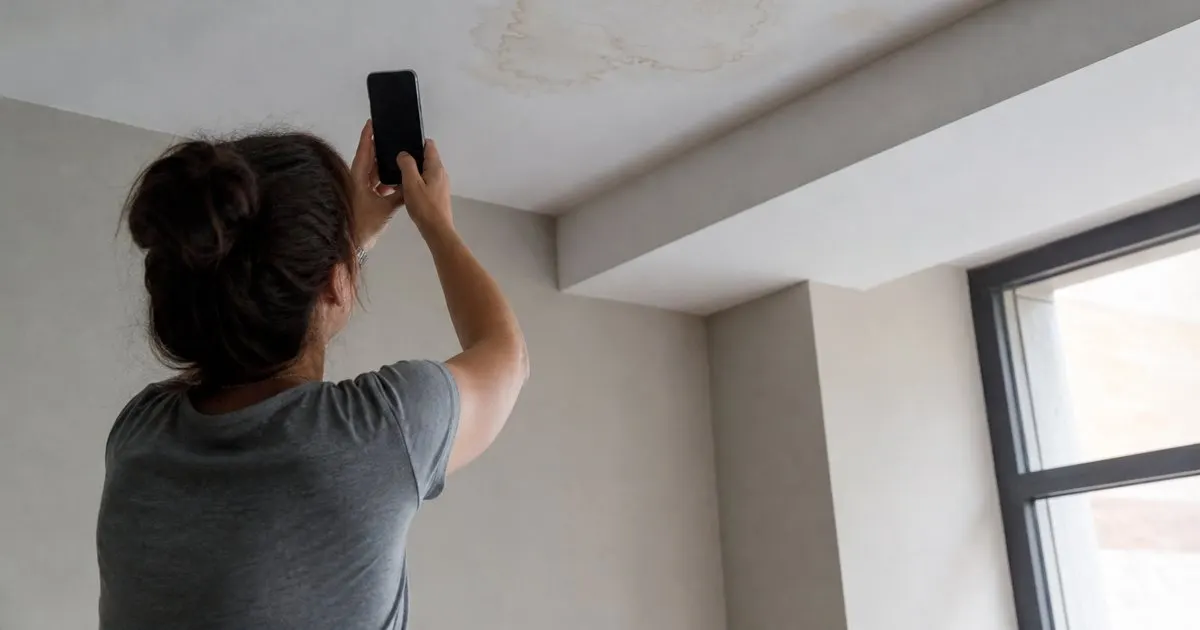
What information should a tenant include when submitting a maintenance request online?
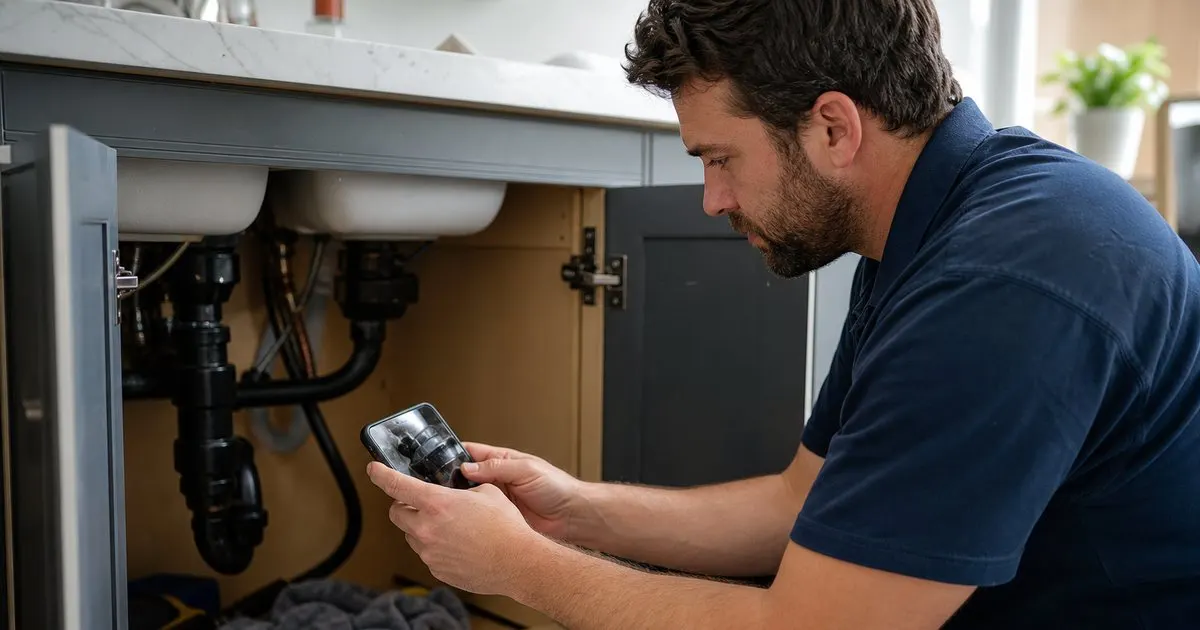
Why do maintenance photos matter when landlords assign repairs to outside vendors?
Get the RentFixr playbook
Practical guides on rental maintenance tracking, straight to your inbox as we publish them. No spam, unsubscribe any time.